
Planning and PrioritiesA useful plan separates the direction you want to move in, the results you need to create, and the actions you can take next. Learn how to sort goals, projects, and tasks so your daily list stays connected to what matters.
Read article · 4 min↗

Focused WorkSwitching between unrelated projects can leave you unsure where to begin, even when you have time to work. A brief handoff note, a deliberate reset and a small re-entry task can make the transition easier without requiring perfect focus.
Read article · 4 min↗

Focused WorkA focus technique is useful only if it helps with the work you actually do. Learn how to test one method at a time, notice the quality of your progress, and decide whether to keep, adapt, or drop it.
Read article · 4 min↗

Focused WorkA focus session does not need to be long or perfectly quiet to be useful. Learn how to avoid vague goals, oversized work blocks, preventable interruptions and unclear stopping points.
Read article · 3 min↗

Focused WorkA notification and an unclear next step can both pull you away from focused work, but they call for different responses. Learn a simple way to spot where an interruption begins and choose a useful adjustment.
Read article · 4 min↗

Focused WorkMeetings can help a team make decisions, but they can also split up the time needed for demanding work. A few shared habits—clearer invitations, sensible scheduling and deliberate transitions—can protect focus without making collaboration harder.
Read article · 4 min↗

Focused WorkFocused work is easier to protect when colleagues know what to expect. Learn how to announce a work block, set a clear response window, name a route for urgent issues and make it easy to reconnect afterward.
Read article · 4 min↗

Focused WorkBackground noise can make focused work feel harder, but silence is not always available. Learn how to identify the sounds that interrupt you, adjust your workspace, choose a useful sound backdrop and plan for noise you cannot control.
Read article · 4 min↗

Focused WorkAn unclear next step does not have to stop a work session. Learn how to name what is uncertain, choose a small action that reveals useful information, and decide when to ask for help or pause.
Read article · 4 min↗
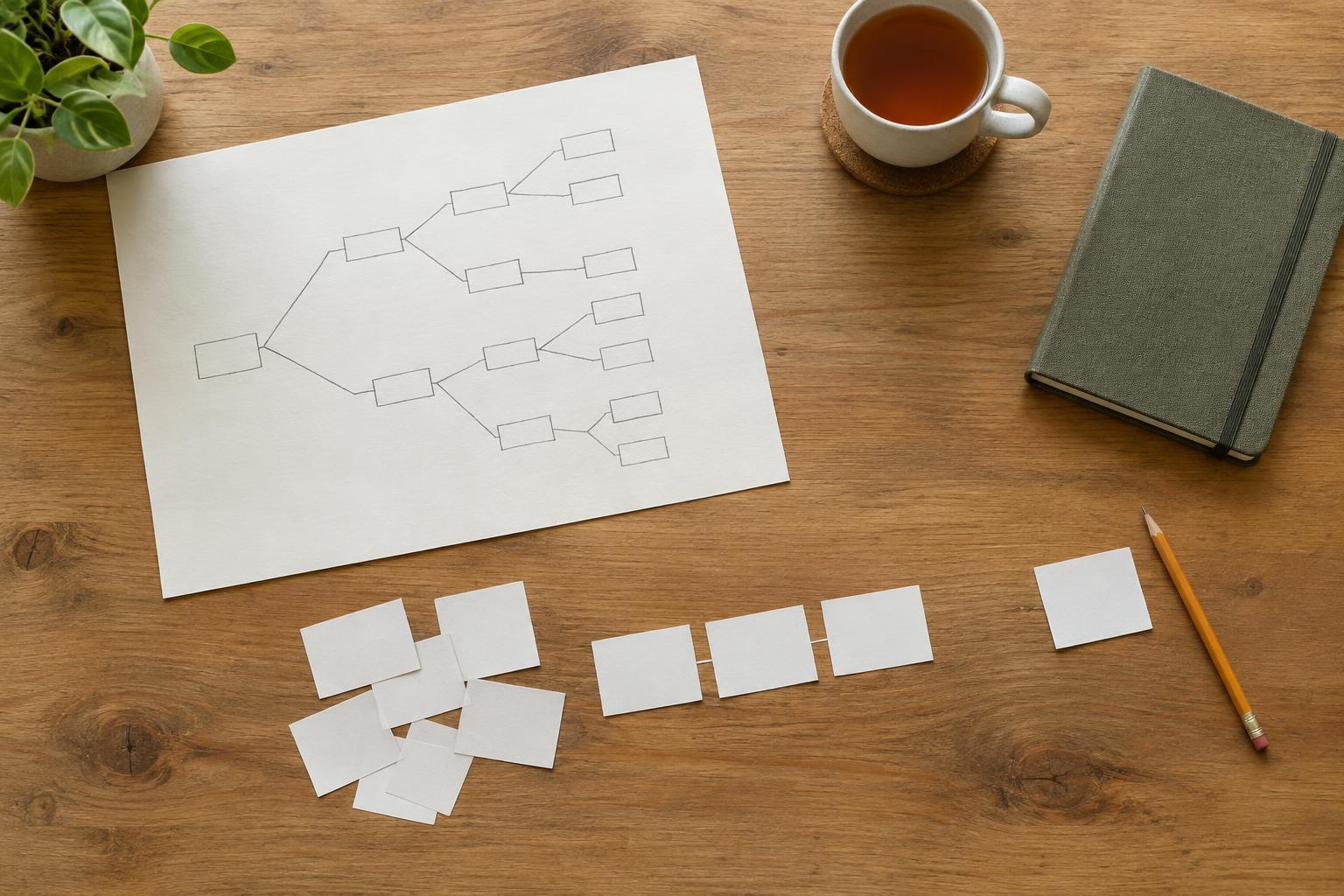
Focused WorkA complex task becomes easier to approach when you define what “done” means, identify the work you can see, and choose one small next action. This guide offers a practical way to make progress without needing to plan every detail in advance.
Read article · 4 min↗

Focused WorkSingle-tasking protects attention for work that needs sustained thought. Batching groups similar small tasks so you spend less time switching between them. Learn how to choose between the two, set useful boundaries, and adjust when a plan is not working.
Read article · 4 min↗

Focused WorkAn interruption can break your train of thought without ruining the rest of your work session. Use a brief re-entry routine to find your place, choose a small next action, and decide what to do if the interruption has changed your priorities.
Read article · 3 min↗

Focused WorkAn urgent thought can feel like a command to stop working. A brief pause, a clear capture method and a simple rule for genuine exceptions can help you decide what needs attention now—and what can wait until your next break.
Read article · 4 min↗

Focused WorkMind wandering does not have to end a work session. Learn a simple way to notice the drift, capture useful thoughts, and return to the next concrete step without turning a brief distraction into a larger interruption.
Read article · 3 min↗

Focused WorkNotifications can be useful without being constant. Learn how to sort alerts by urgency, set up a focus period, agree on a way to reach you when something cannot wait, and review what you may have missed.
Read article · 4 min↗

Focused WorkYou do not have to win a fresh battle with your phone every time you sit down to work. A few changes to notifications, placement and break routines can make focused work easier to begin and easier to return to.
Read article · 3 min↗

Focused WorkA focused session starts before you begin the task. Use this practical workspace reset to clear visual clutter, gather what you need, reduce interruptions and make it easier to start.
Read article · 3 min↗

Focused WorkTime blocking gives focused work a place on your calendar instead of leaving it to whatever time remains. Learn how to choose a useful task, size a realistic block, prepare for distractions and adjust the plan without treating every interruption as a failure.
Read article · 4 min↗

Focused WorkA short focus window does not have to be wasted, and a long one does not need to be filled with busywork. Learn how to match a task to the time, attention and setup you actually have.
Read article · 4 min↗

Focused WorkA focused work session is easier to start when you know what you intend to leave with. Learn how to turn a broad project into one observable outcome, set a sensible stopping point, and adjust when the work reveals something unexpected.
Read article · 3 min↗

Focused WorkFocused work is not simply time spent at a desk or a day without interruptions. Learn how to spot it in ordinary tasks, tell it apart from busywork, and create conditions that make sustained attention easier.
Read article · 4 min↗
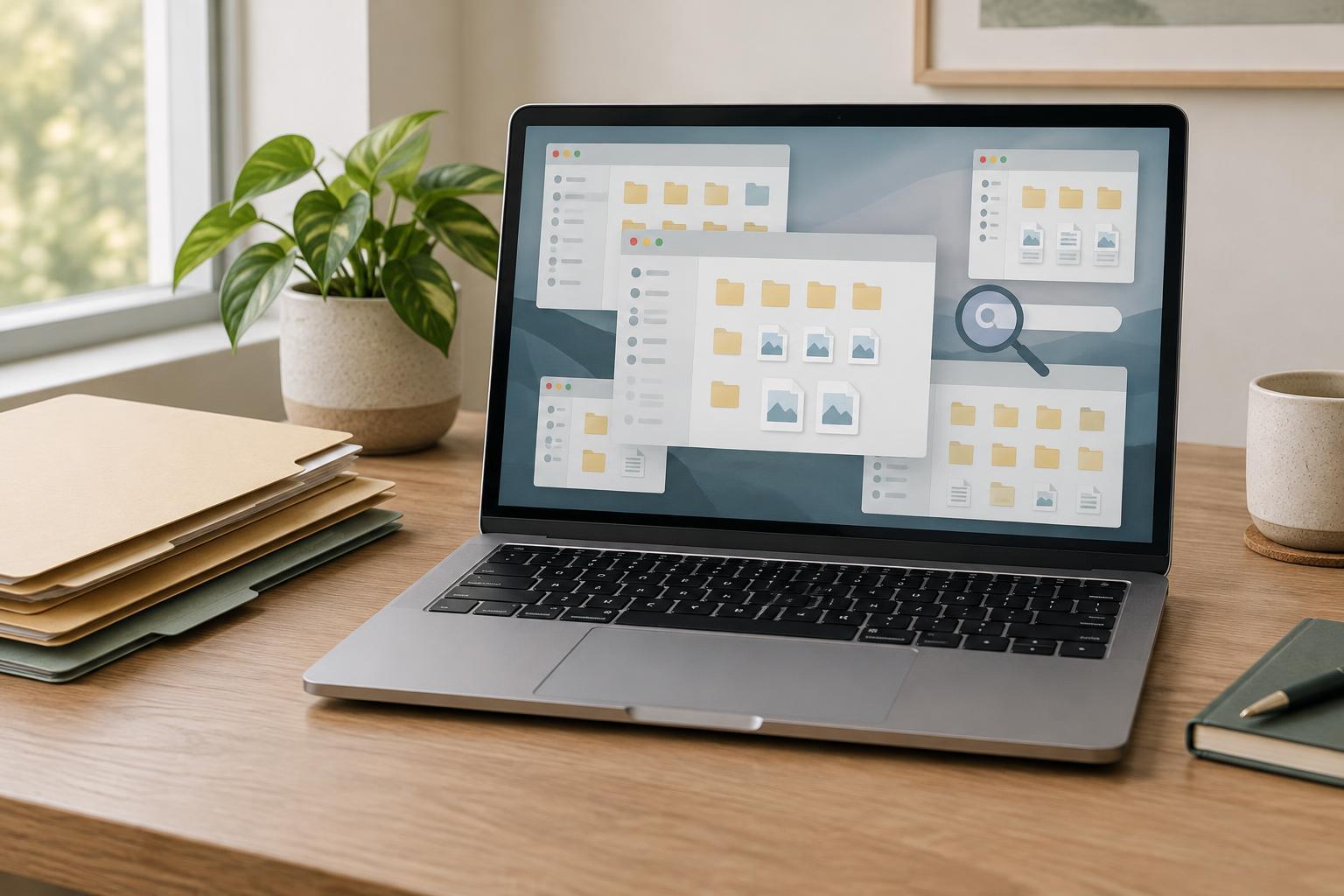
Digital OrganizationA tidy-looking digital workspace is not always easy to search. Learn how scattered storage, vague names, excessive folders, duplicate files, and neglected shared spaces can make information harder to find—and what to do instead.
Read article · 3 min↗
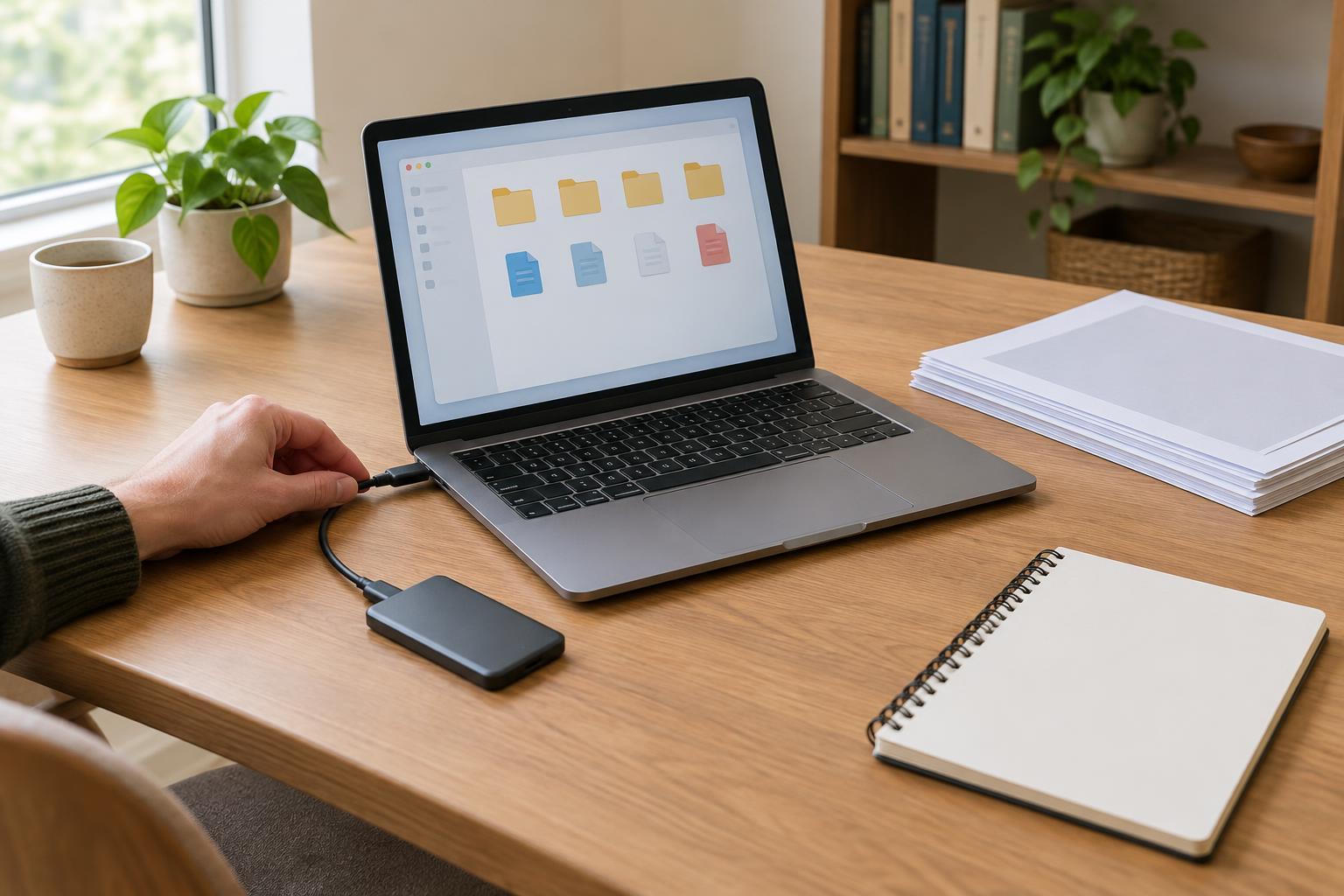
Digital OrganizationOffline work goes more smoothly when you know which files you need, where they are stored, and whether they will open without a connection. Use this practical checklist to prepare documents, references, and a plan for bringing changes back online.
Read article · 4 min↗
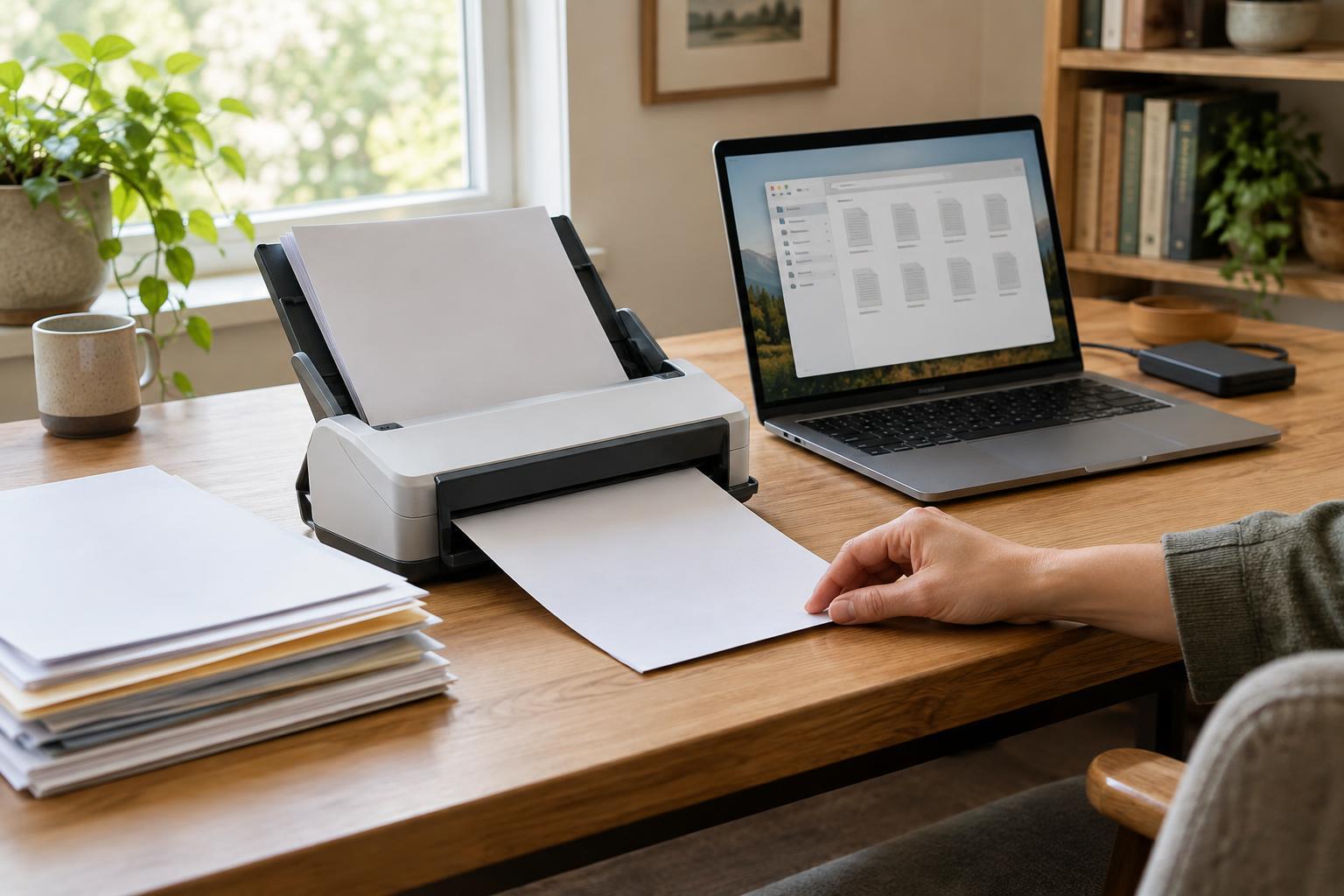
Digital OrganizationA practical workflow for turning a paper backlog into files you can find again. Learn how to sort, scan, name, check, and protect documents without building an elaborate filing system.
Read article · 3 min↗
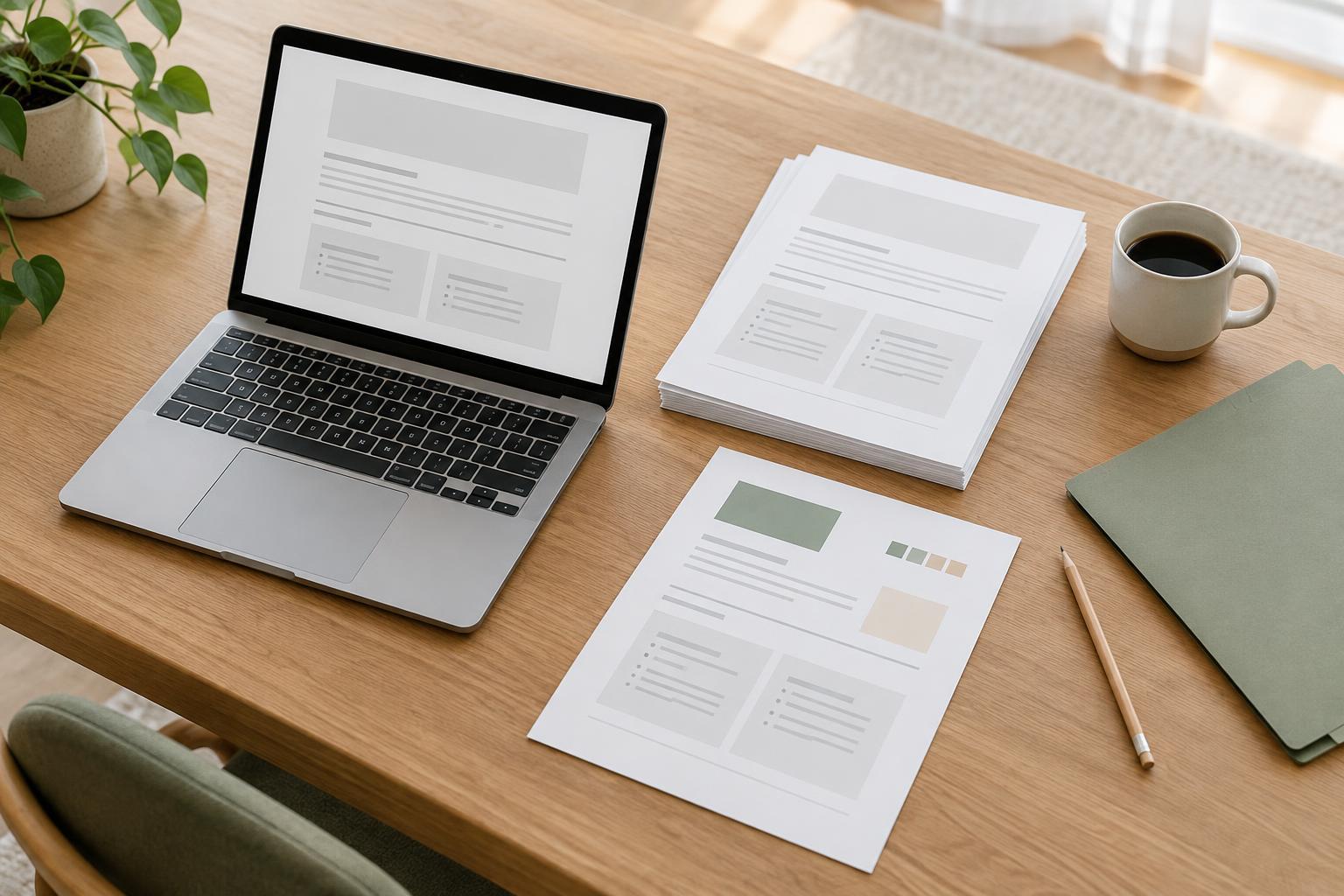
Digital OrganizationA useful document template does more than save a blank page. It gives recurring work a dependable starting point while leaving room for judgment. Learn how to choose what to standardize, write helpful prompts, keep copies organized and improve the template over time.
Read article · 4 min↗
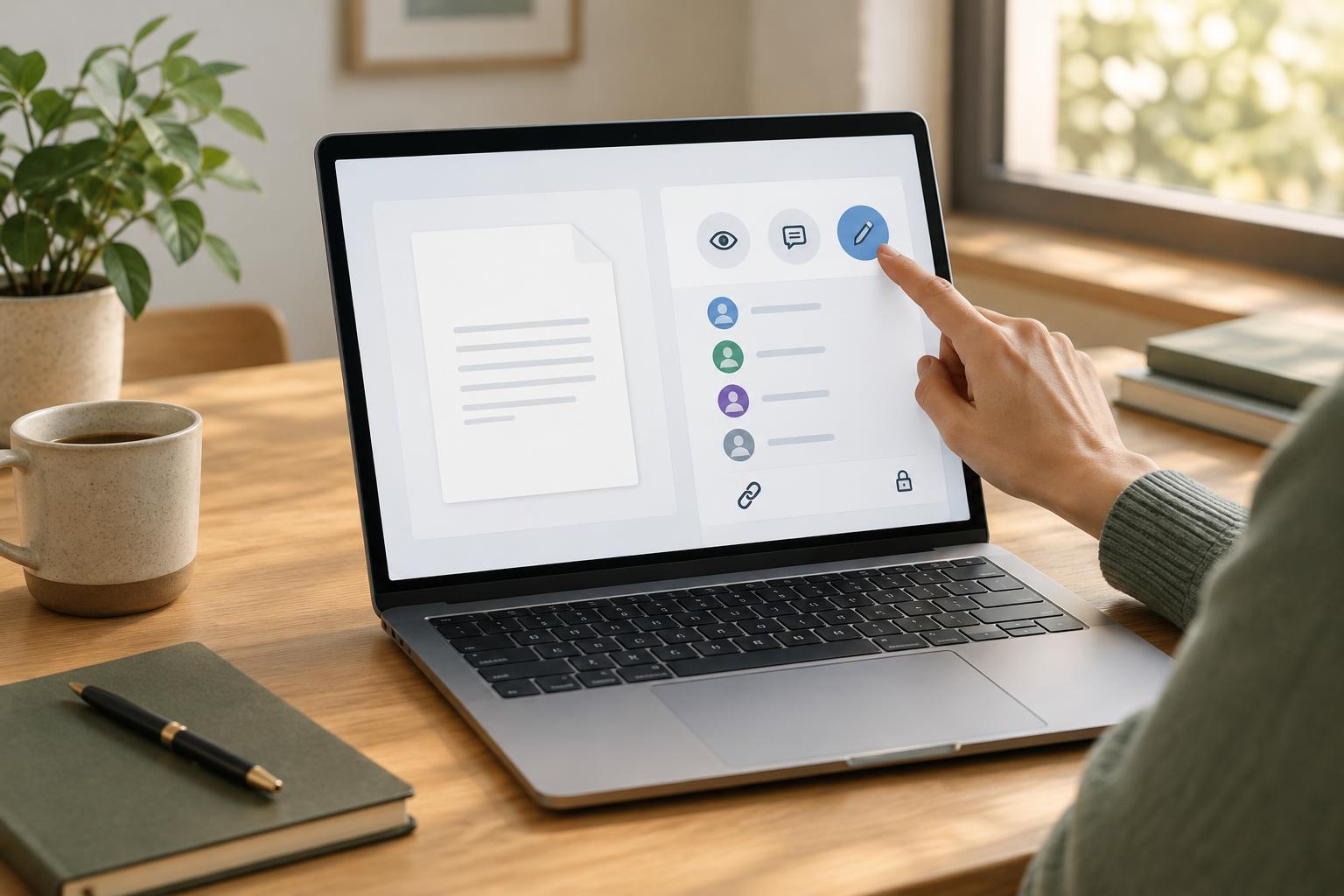

Digital OrganizationA sync conflict usually means two versions of a file changed before your devices could agree on which one to keep. Learn how to preserve both copies, compare changes, choose a clear final version, and reduce repeat conflicts.
Read article · 4 min↗

Digital OrganizationA backup is a way to recover work when a file is deleted, a device fails or an edit goes wrong. This beginner-friendly guide shows how to choose what to protect, keep copies in separate places and test that you can restore them.
Read article · 4 min↗
Digital OrganizationA clear home for the working document, a simple naming convention, and a few deliberate checkpoints can make it easier to find the right file and recover earlier work.
Read article · 4 min↗
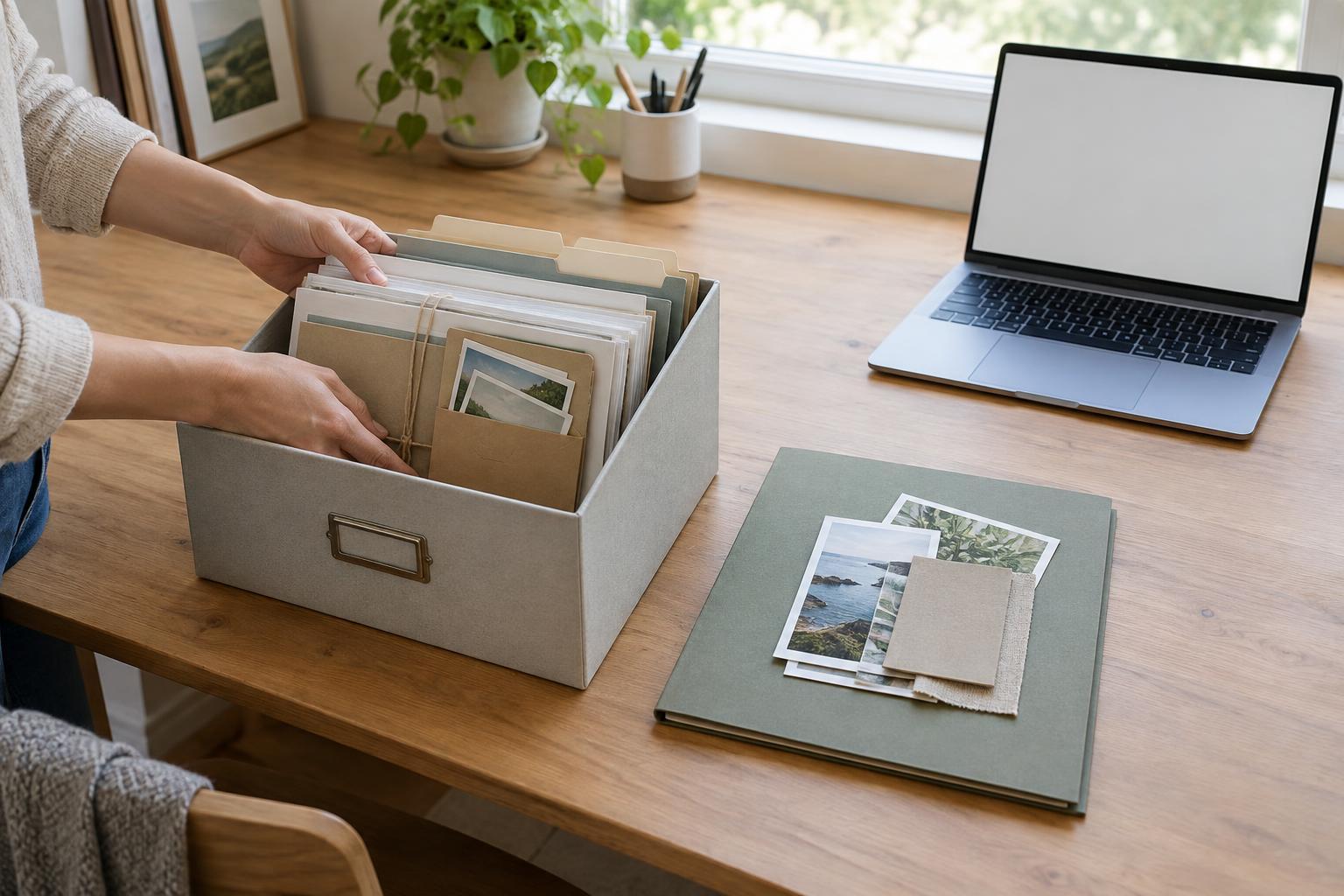
Digital OrganizationA finished project can leave behind drafts, decisions, assets, and lessons worth keeping. Use a simple archive that preserves context, makes reusable material easy to find, and lets you clear your active workspace.
Read article · 4 min↗

Digital OrganizationWhen information is scattered across documents, inboxes, and notes, searching every app at random can waste time. Use a repeatable method to choose where to look, refine your terms, check what you find, and make useful items easier to retrieve next time.
Read article · 4 min↗
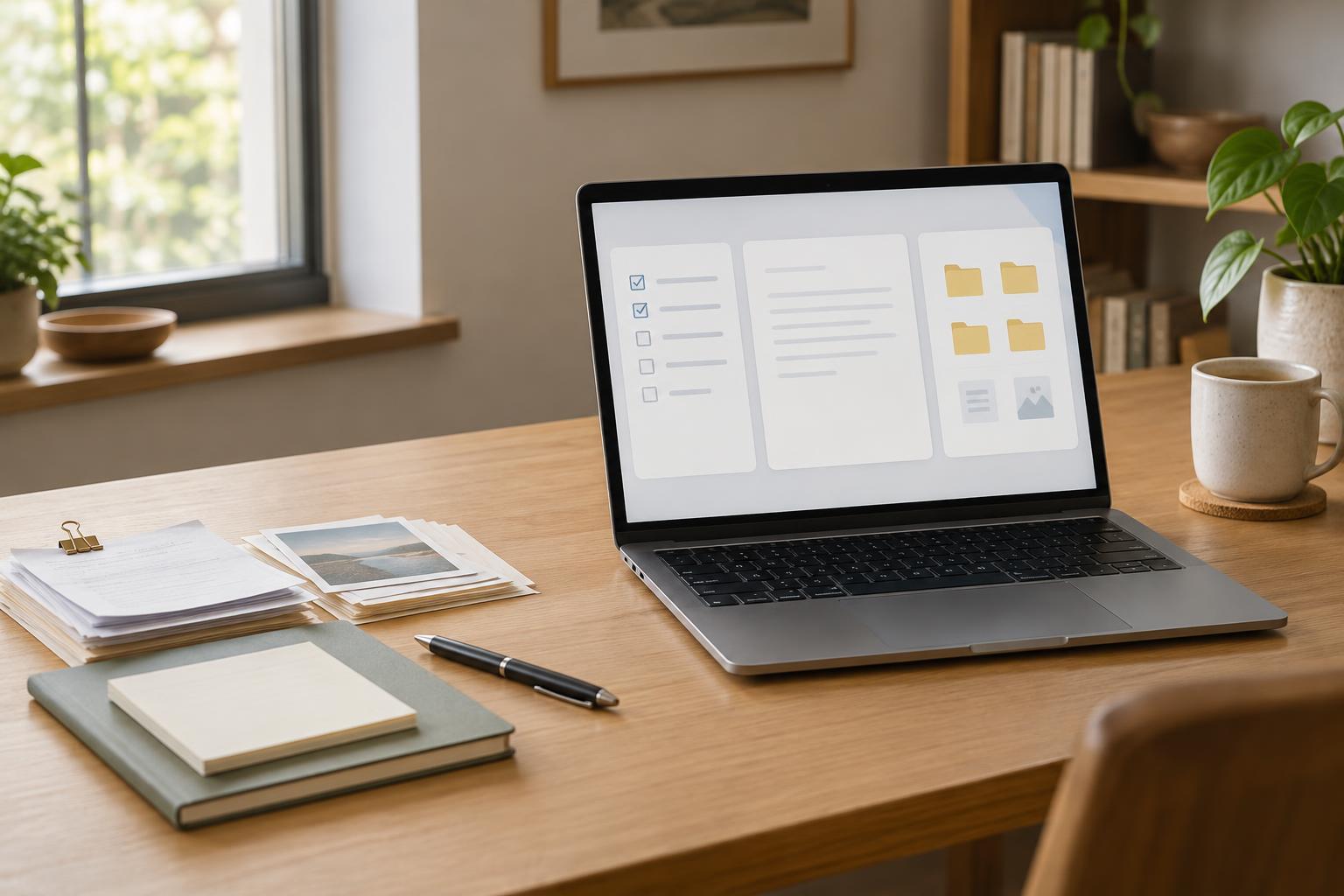
Digital OrganizationA task list, a notes space, and a file system each serve a different purpose. Use a few simple questions to decide where information belongs, connect related items, and keep your digital workspace easier to navigate.
Read article · 4 min↗

Digital OrganizationA note system works better when each note has a clear home. Learn how to separate active project notes, reusable subject notes, and long-term reference material without building a filing system that takes more effort than the work itself.
Read article · 4 min↗
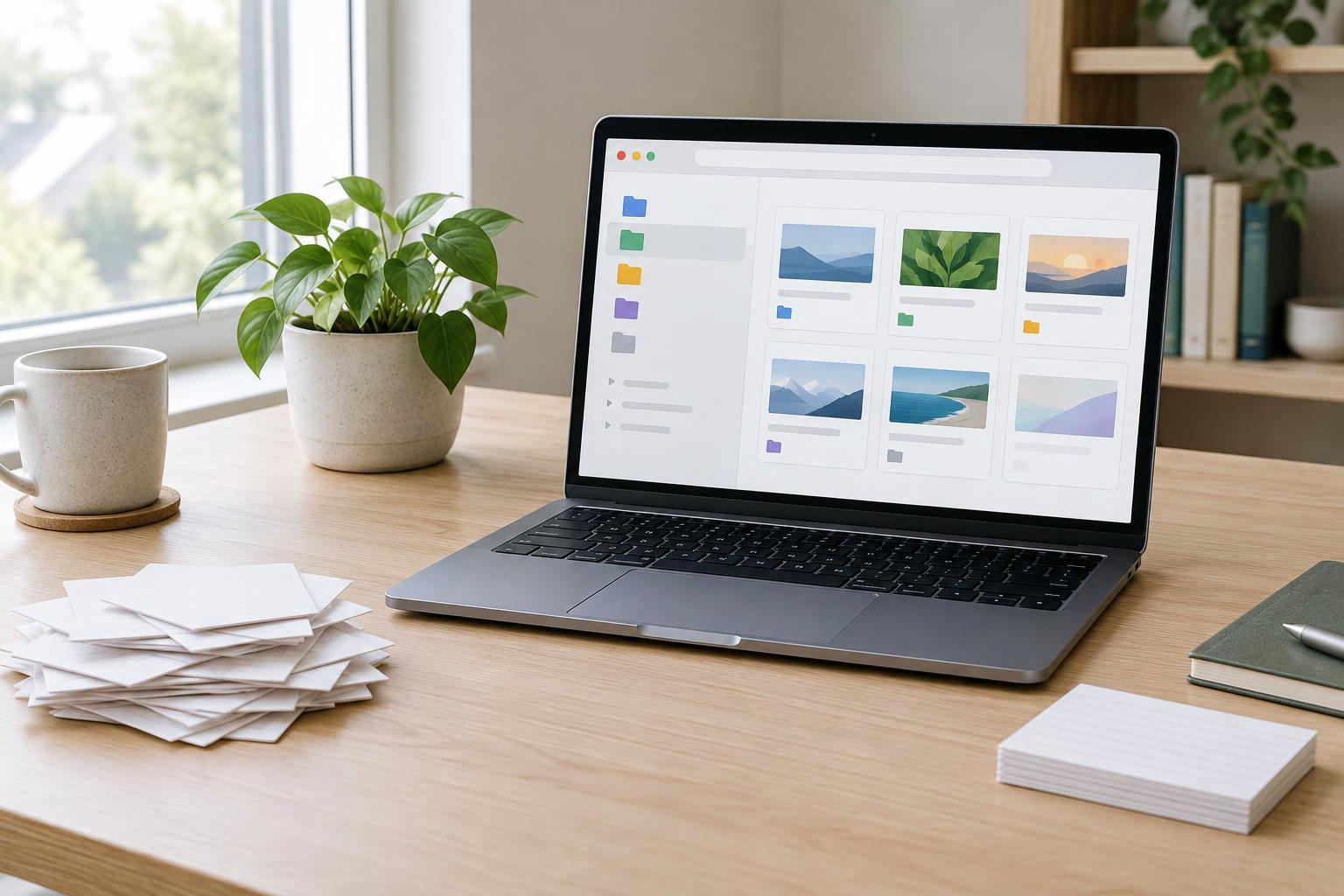
Digital OrganizationA bookmark collection works best when it helps you find the right link at the right moment. Build a small set of categories, save links with enough context, and make review part of your routine.
Read article · 4 min↗

Digital OrganizationEmail filters can make a crowded inbox easier to scan, but a quiet inbox is not always an organized one. Learn which messages are good candidates for automatic sorting, which deserve a visible path to you, and how to check that your rules still work.
Read article · 4 min↗
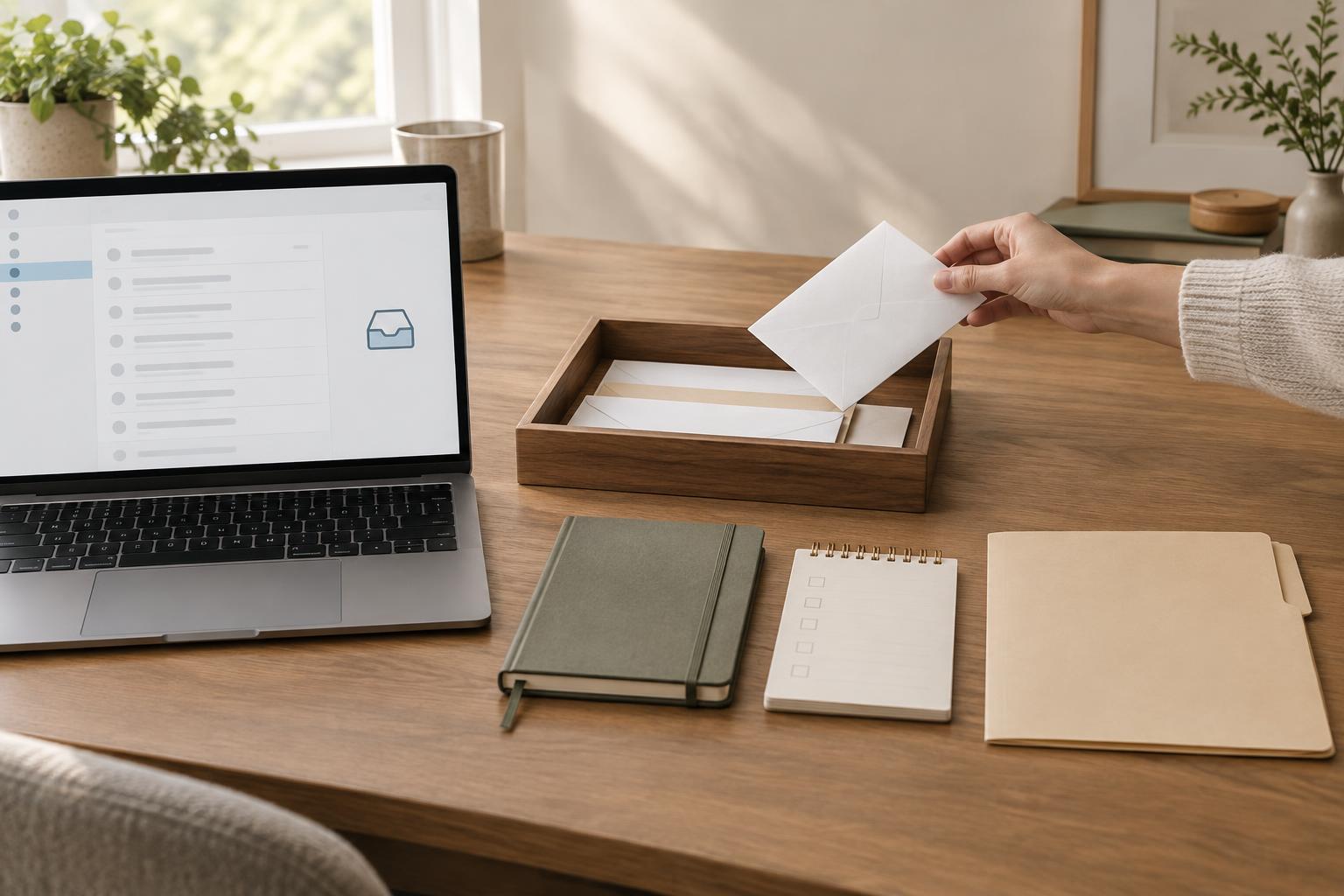
Digital OrganizationAn inbox is good at receiving messages, but poor at showing what matters next. Use a simple processing routine to turn emails into replies, calendar commitments, clear tasks, or reference material—without losing track of follow-ups.
Read article · 4 min↗

Digital OrganizationA crowded Downloads folder makes useful files harder to find. This routine helps you sort what is there, move what matters, and keep the folder manageable without turning the cleanup into a major project.
Read article · 4 min↗
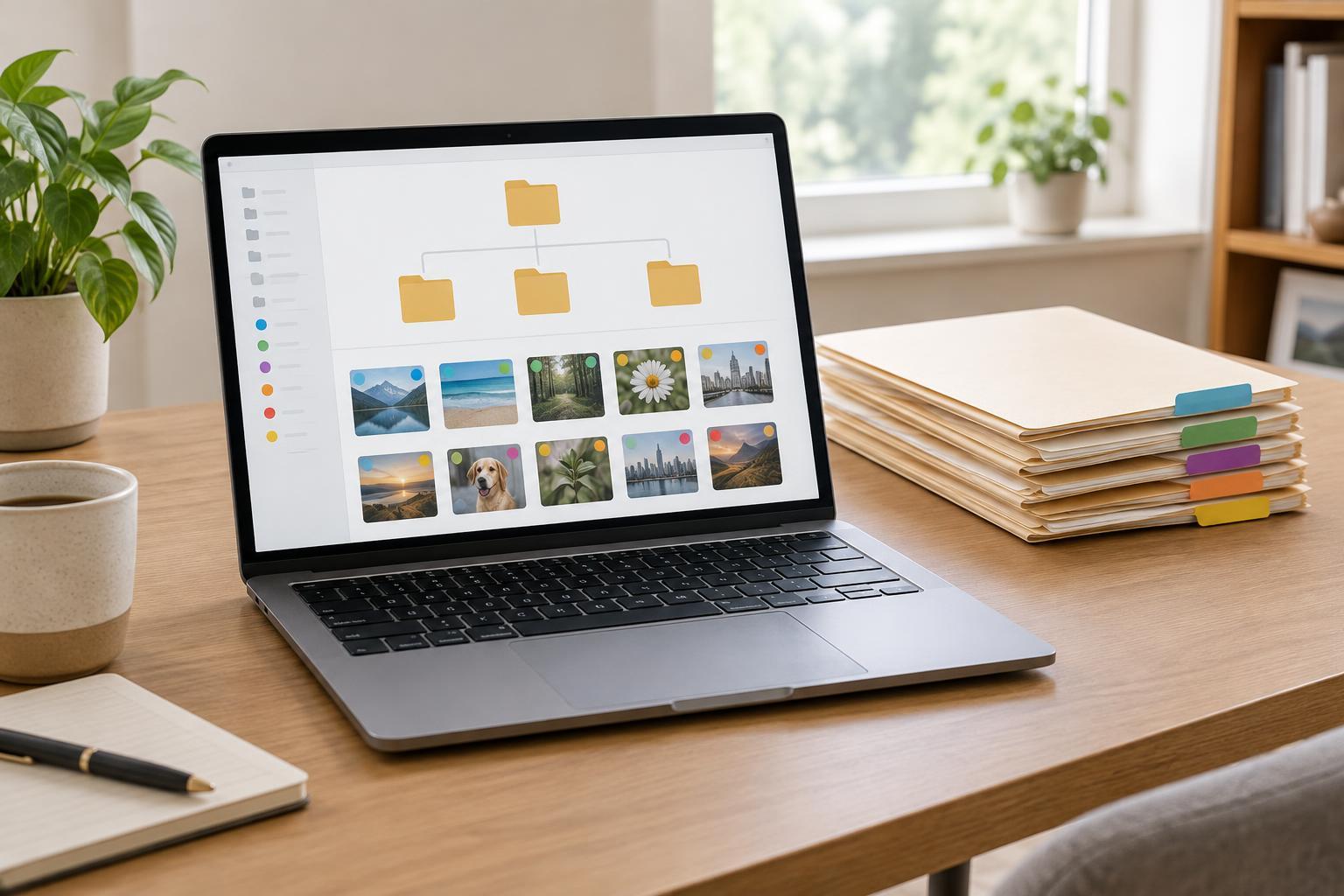
Digital OrganizationFolders give files a clear home; tags let one item belong to several useful groups. Learn when each approach works best, how to combine them, and how to test whether your system supports the way you actually look for things.
Read article · 3 min↗

Digital OrganizationA useful folder structure should make files easy to find without demanding constant maintenance. Start with a few stable categories, give active projects a predictable home, and set simple rules for naming, sharing and archiving.
Read article · 4 min↗
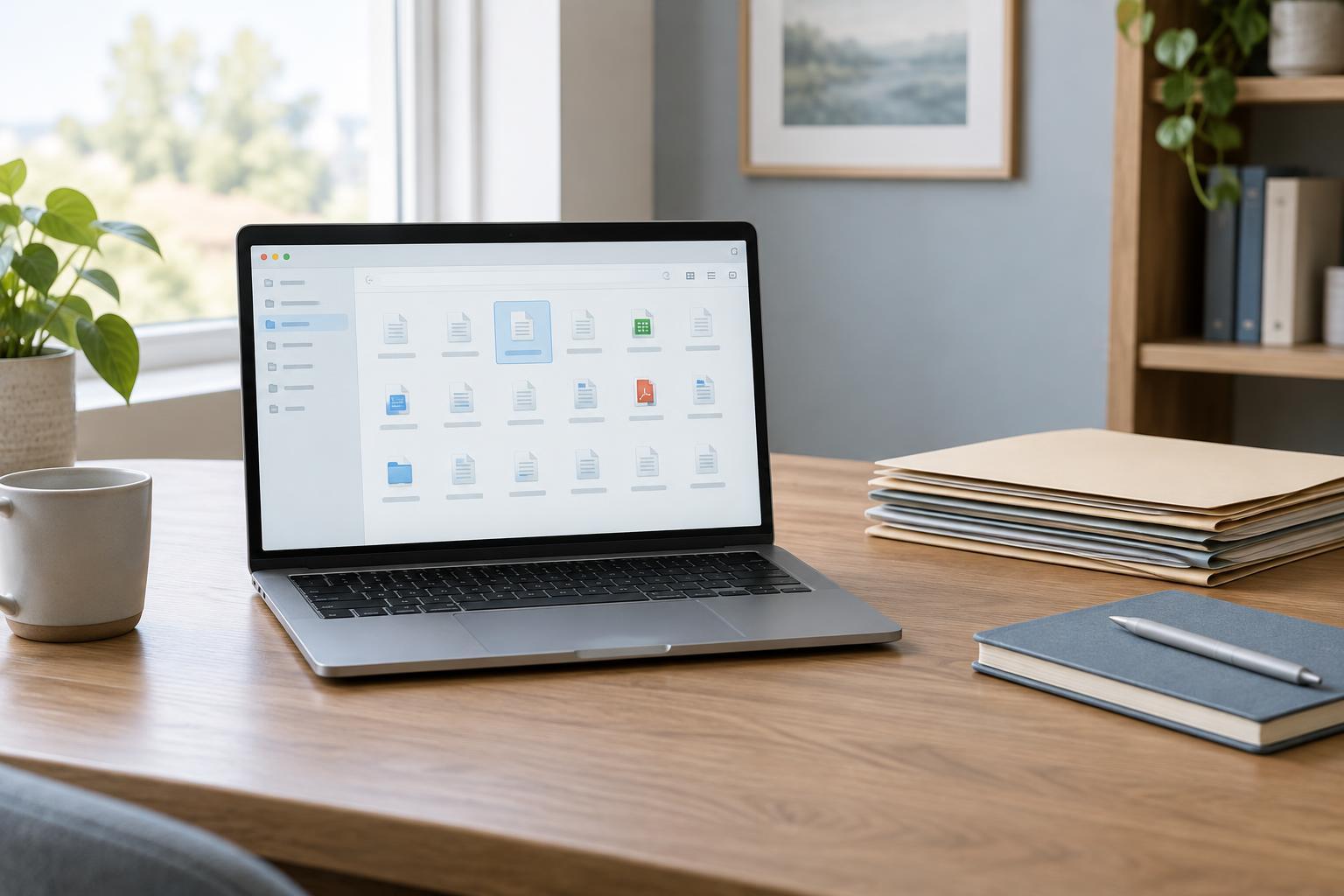
Digital OrganizationA useful file name should answer a few questions before you open the document: What is it about, what kind of document is it, and which copy do you need? This simple naming pattern works for personal files and shared folders without requiring a complicated system.
Read article · 4 min↗

Digital OrganizationBefore moving files or adopting a new app, find out what you already store and where you look for it. This practical audit helps you map your digital spaces, spot confusing overlaps, and choose a manageable first step.
Read article · 4 min↗

Creative RoutinesA creative routine can help you begin and keep going, but even a useful routine may stop fitting your work or your life. Learn how to distinguish ordinary resistance from a poor setup, make a small adjustment, and decide whether it helps.
Read article · 4 min↗

Creative RoutinesCreative work does not always need the same kind of company. Solo sessions can make room for exploration and concentration, while group sessions can help with feedback, shared decisions and momentum. Learn how to choose a format and give each session a clear purpose.
Read article · 4 min↗

Creative RoutinesThe middle of a creative project often feels less clear than the beginning. Learn how to name the problem, choose a small next step, use feedback well, and keep moving without forcing every idea to be finished at once.
Read article · 4 min↗
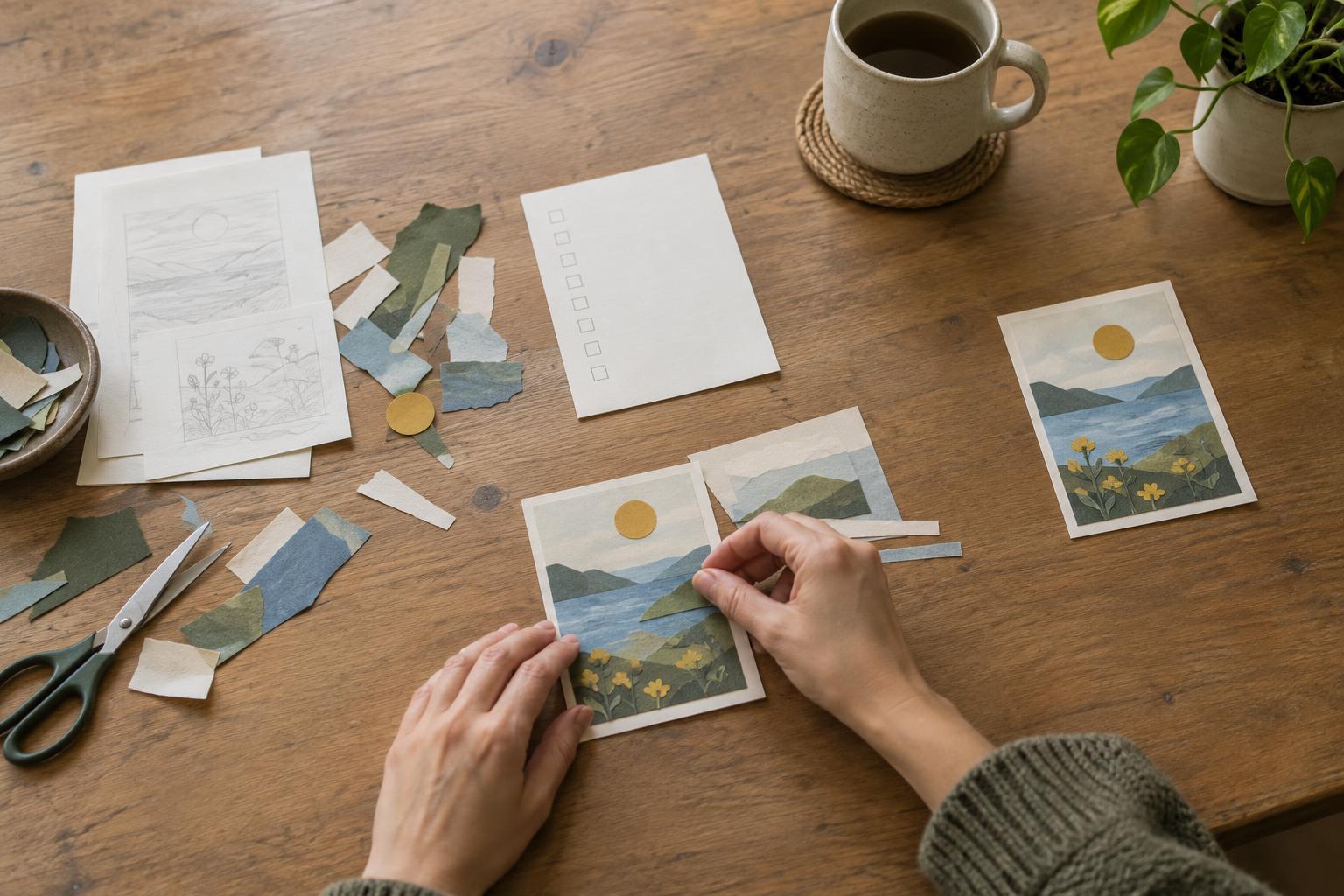
Creative RoutinesSmall creative projects can linger when every decision has to be made from scratch. Build a flexible workflow that helps you choose a manageable scope, move through clear stages, finish with intention, and learn from each project.
Read article · 4 min↗

Creative RoutinesA creative routine does not have to turn every session into a finished piece. Learn how to set aside low-pressure time for trying ideas, choose useful constraints, and carry discoveries into your regular work.
Read article · 4 min↗

Creative RoutinesFeedback can help a creative project move forward, but the timing and the question matter. Learn how to choose a useful moment to share unfinished work, ask for responses you can act on, and decide what to change without losing sight of your intent.
Read article · 4 min↗

Creative RoutinesReviewing your own work is easier when you treat it as a series of decisions, not a verdict on your ability. Use a short pause, a clear purpose, and separate review passes to find useful changes while leaving room to finish.
Read article · 4 min↗

Creative RoutinesA creative routine does not have to depend on feeling inspired. Build a short menu of low-effort exercises, make each one easy to start, and leave room to stop when rest is the better choice.
Read article · 4 min↗

Creative RoutinesSkill practice helps you build range; personal projects give those skills a place to matter. Learn a flexible way to alternate between the two without turning every creative session into a test of progress.
Read article · 4 min↗

Creative RoutinesA creative routine should make it easier to return to your work, not add another standard you have to meet. Learn how to avoid rigid schedules, vague goals, unnecessary setup, overcommitment and routines that leave no room to recover.
Read article · 3 min↗

Creative RoutinesA creative session does not need to end with a finished piece. A short closing routine can preserve your thinking, make the next action visible, and let you step away without carrying every loose end in your head.
Read article · 4 min↗

Creative RoutinesA creative practice log can help you remember what you tried, what made starting easier, and which conditions supported your work. Here is a simple way to keep one without turning it into another demanding task.
Read article · 4 min↗

Creative RoutinesReturning to an unfinished project can feel harder than starting a new one. A gentle review, a small next step, and a realistic routine can help you find your way back without trying to recover all your momentum at once.
Read article · 4 min↗

Creative RoutinesA daily creative habit and a longer weekly session solve different problems. Learn how to choose a rhythm that fits your project, energy and available time, then test it without turning every missed session into a setback.
Read article · 4 min↗

Creative RoutinesCreative work can slow down when every option remains open. Learn how to choose useful limits for your time, materials, format, and decisions—then adjust them when they stop helping.
Read article · 4 min↗

Creative RoutinesDrafting and editing ask you to make different kinds of decisions. Learn when a separate first pass can help you keep moving, when it is better to revise as you go, and how to move between the two without losing useful ideas.
Read article · 4 min↗

Creative RoutinesA useful idea can arrive in the middle of another task. Learn how to save just enough of it to return later, without turning every thought into a new project.
Read article · 4 min↗

Creative RoutinesA creative warm-up is a small, low-pressure activity that helps you begin before asking yourself to produce finished work. Try these short exercises for writing, drawing, or hands-on making, then use a simple transition to carry what you notice into your main project.
Read article · 4 min↗

Creative RoutinesYou do not need a perfect idea to begin. A small, repeatable opening routine can help you choose a task, make a rough first move, and give your attention somewhere to settle.
Read article · 4 min↗

Creative RoutinesA creative routine does not need perfect conditions. Build one around a manageable session, a clear starting cue, a small next step and a stopping point that leaves room for the rest of your life.
Read article · 4 min↗