Start with completed work, not an ideal day
When planning a task, it is tempting to picture a smooth stretch of uninterrupted work. That picture can be useful for identifying the steps involved, but it is a weak basis for a schedule. Past work gives you a more grounded starting point: it includes the ordinary revisions, questions and setup that are easy to forget while looking ahead.
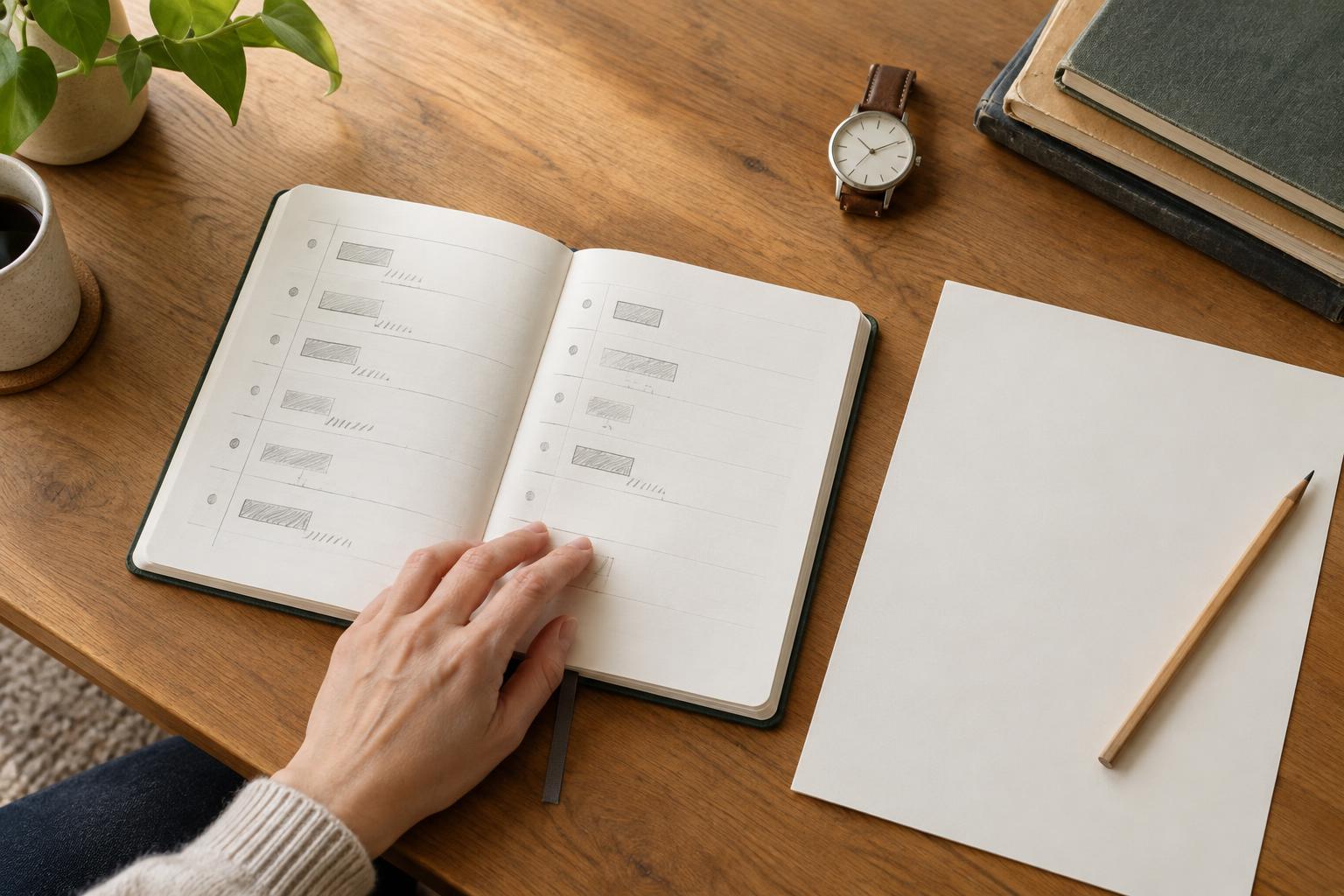
Pick one kind of task you do repeatedly, such as drafting a newsletter, preparing meeting notes or reviewing a design. Look for a few completed examples that resemble the new task in size and difficulty. You do not need an elaborate tracking system. A short note with the task name, what was delivered and roughly how long it took is enough to begin. If you have no records yet, start noting durations now rather than trying to reconstruct every previous week from memory.
Compare the whole job, not just the visible step
Make sure your comparison covers the same boundaries as the task you are estimating. “Write the draft” may exclude research, outlining, editing and sending it for review. “Publish the article” may include all of those steps plus formatting. If the old and new task labels hide different amounts of work, their durations will mislead you.
It also helps to distinguish hands-on work from elapsed time. A review might take an hour of your attention but remain on your calendar for several days while you wait for comments. Record both when they matter: active work helps you decide how much focus time to reserve, while elapsed time helps you choose a realistic start date. Note any unusual conditions, too. A familiar format, a new collaborator or missing source material can make an otherwise similar task a poor match.
Use a range and name what could change it
Once you have comparable examples, look at the spread rather than choosing the quickest one. Suppose three similar drafts took roughly two, three and four hours of active work. For another straightforward draft, you might reserve around three hours and keep additional room if the subject is unfamiliar. Those figures are an illustration, not a rule; your own records should guide your estimate.
For work with several unknowns, express the estimate as a range. A lower end can represent the task if the materials are ready and the scope stays steady. An upper end can allow for plausible rework or clarification. Write down the assumption behind the range, such as “outline approved before drafting.” This makes the estimate easier to revisit if that assumption changes. Avoid adding an unexplained cushion to every task: it is more useful to identify which parts are uncertain and why.
Turn the estimate into a workable plan
A duration estimate is not the same as an available calendar slot. Before committing to a deadline, check how much focused time you can reasonably set aside alongside meetings, routine responsibilities and rest. A task that calls for four hours of attention may need more than one day on the calendar if your days are fragmented. If someone else must provide input, leave space for that handoff without assuming they can respond immediately.
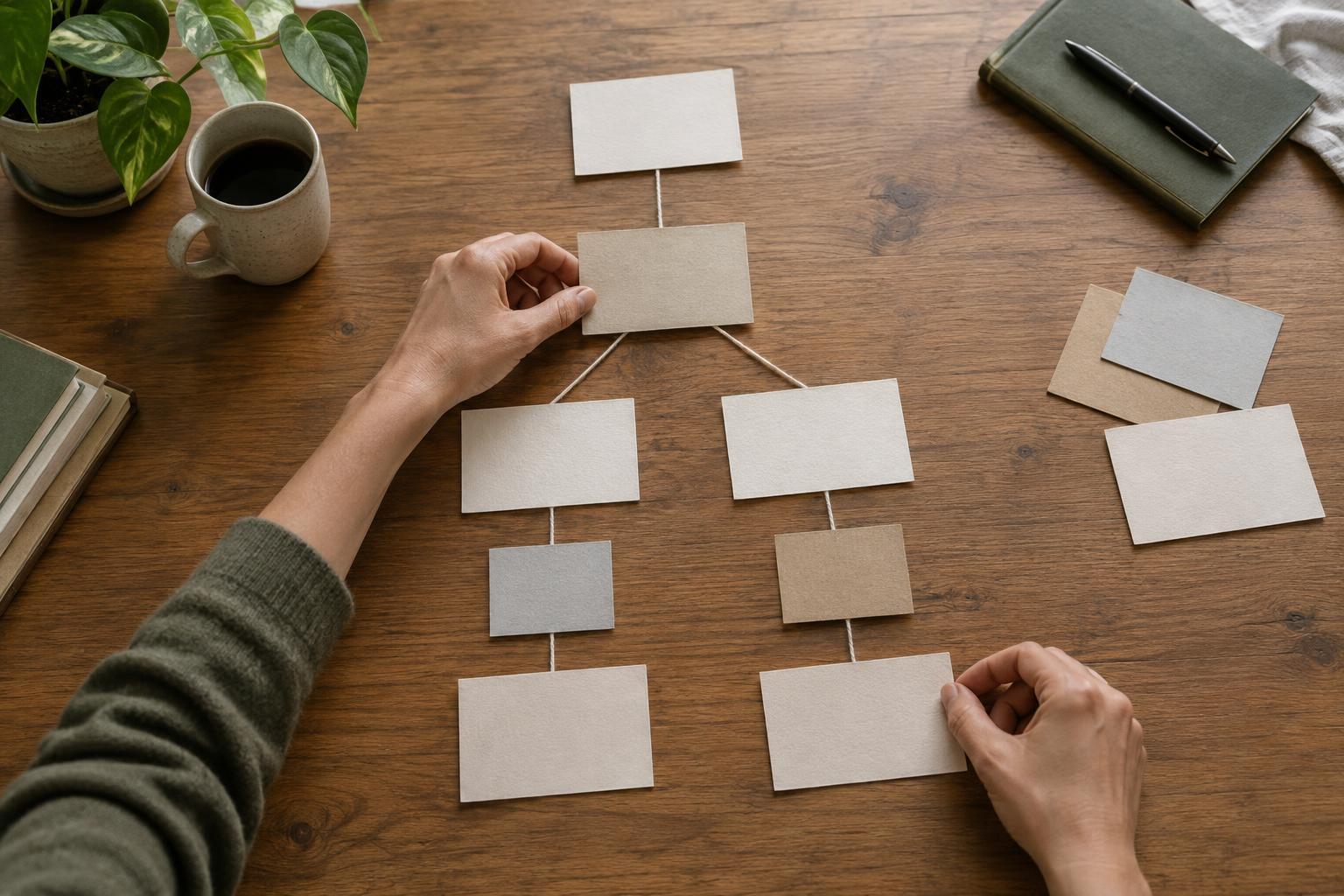
For a large task, estimate a few meaningful stages instead of treating it as one block. You might separate gathering material, making a first version and revising it. Use past examples for the stages you recognize and mark unfamiliar stages as uncertain. If the resulting plan does not fit, decide what can move, shrink or be clarified before you promise a finish date. An estimate is most helpful when it supports that conversation, not when it becomes a target you feel obliged to defend.
Update your record after the work
When the task is done, compare your estimate with what happened. Record the time spent, any waiting period that affected delivery and a brief reason for a meaningful difference. Perhaps the source material was incomplete, the task expanded after feedback or you discovered a reusable template. The point is not to grade yourself for being right or wrong. It is to make the next comparison more informative.
Keep the habit light enough to maintain. A few lines at the end of a task can be more useful than a detailed log you abandon after a week. Over time, you may notice that certain task types vary widely while others are predictable. Give the variable ones more room in your plans, and use the steadier ones as reliable anchors. Past work will never tell you exactly how long a new task will take, but it can help you make an estimate you can explain and adjust.