Two jobs, two kinds of attention
Drafting is the work of getting ideas into a form you can inspect. Editing is the work of making that form clearer and more useful to someone else. Both involve choices, but they ask different questions. During a draft, you might ask, “What am I trying to say?” During an edit, you might ask, “Will a reader understand this, and is it worth keeping?” Trying to answer every question at once can make a blank page feel even harder to approach.
Separating the two does not mean writing carelessly. It means choosing which decisions deserve attention right now. If you keep rewriting the opening sentence before you know where the piece is going, a drafting pass can give you room to find its shape. Once there is a complete version to work with, editing becomes less speculative: you can assess the actual argument, sequence or story rather than trying to perfect a fragment.
Use a drafting pass when momentum matters
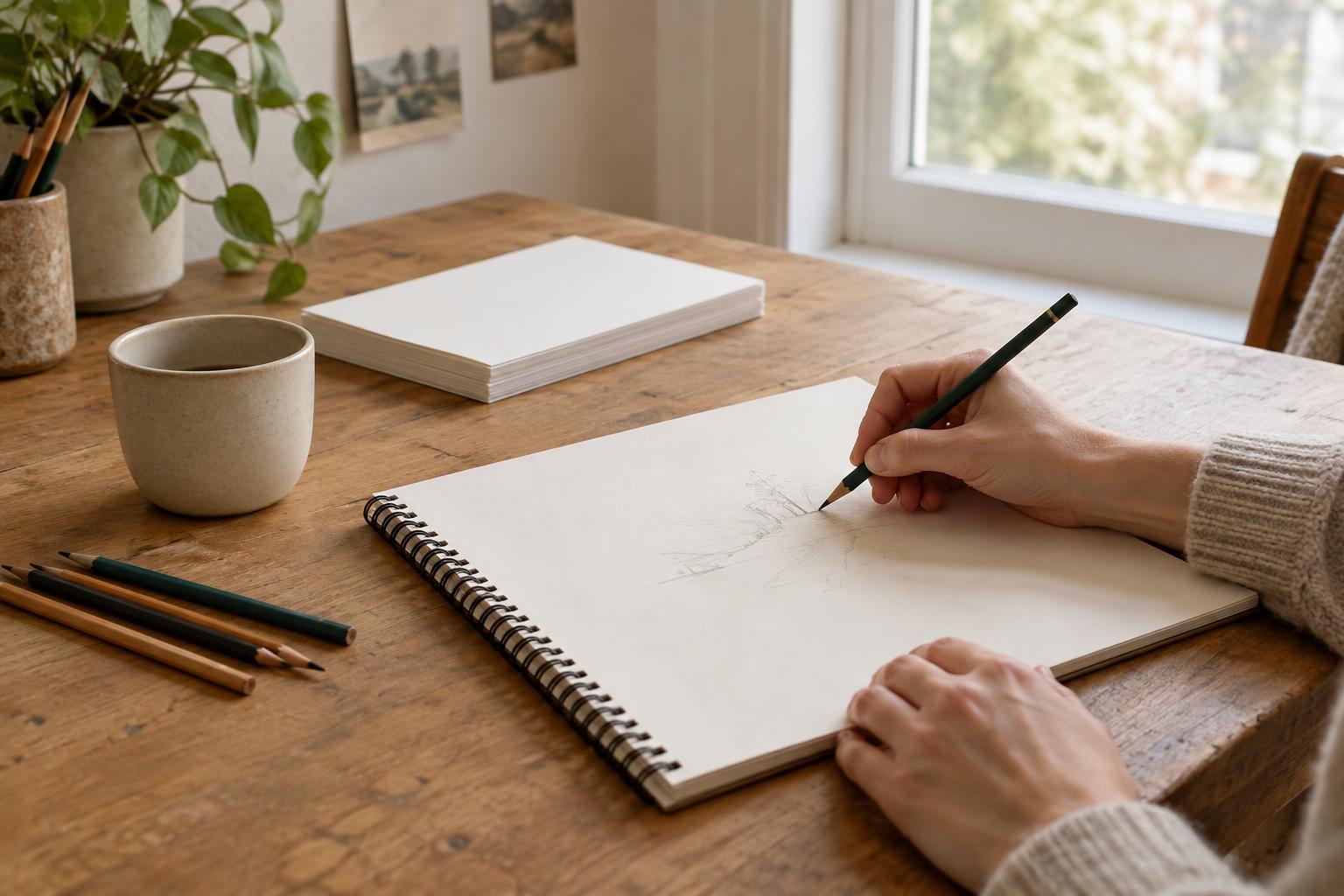
A separate drafting pass is especially useful when you are exploring a new idea, building a long piece, or unsure which details belong. Set a modest target that describes an output rather than a quality level: a rough outline expanded into paragraphs, a scene from beginning to end, or answers to three questions your reader is likely to have. Give yourself permission to leave visible gaps such as “add example” or “check wording.” A gap you can return to is better than a detour that stops the draft.
Make the pass easy to enter. Before you begin, write a one-sentence purpose for the piece and list the points you expect to cover. Then work forward without routinely scrolling back to polish. If a better phrase occurs to you, use it, but avoid treating each paragraph as final. At the end, note what still feels uncertain. Those notes give your editing pass a starting point and reduce the need to hold every loose end in your head.
Know when editing as you go makes sense
Strict separation is not always useful. A short, familiar message may need only a quick draft and an immediate read-through. Technical or tightly structured writing may also require you to check a definition or fix a logical break before moving on; otherwise the following sections could rest on a mistake. The goal is not to ban revision during drafting. It is to notice whether a revision helps you continue or keeps you circling the same few lines.
A practical test is to ask, “Will this change affect what comes next?” If yes, pause and make it. If not, leave a note and move forward. Correcting a misleading heading may clarify the whole draft. Debating two nearly identical adjectives probably will not. You can also set a small limit: allow one quick repair, then return to the next unwritten point. This keeps necessary adjustments from turning into an unplanned editing session.
Make the switch deliberate
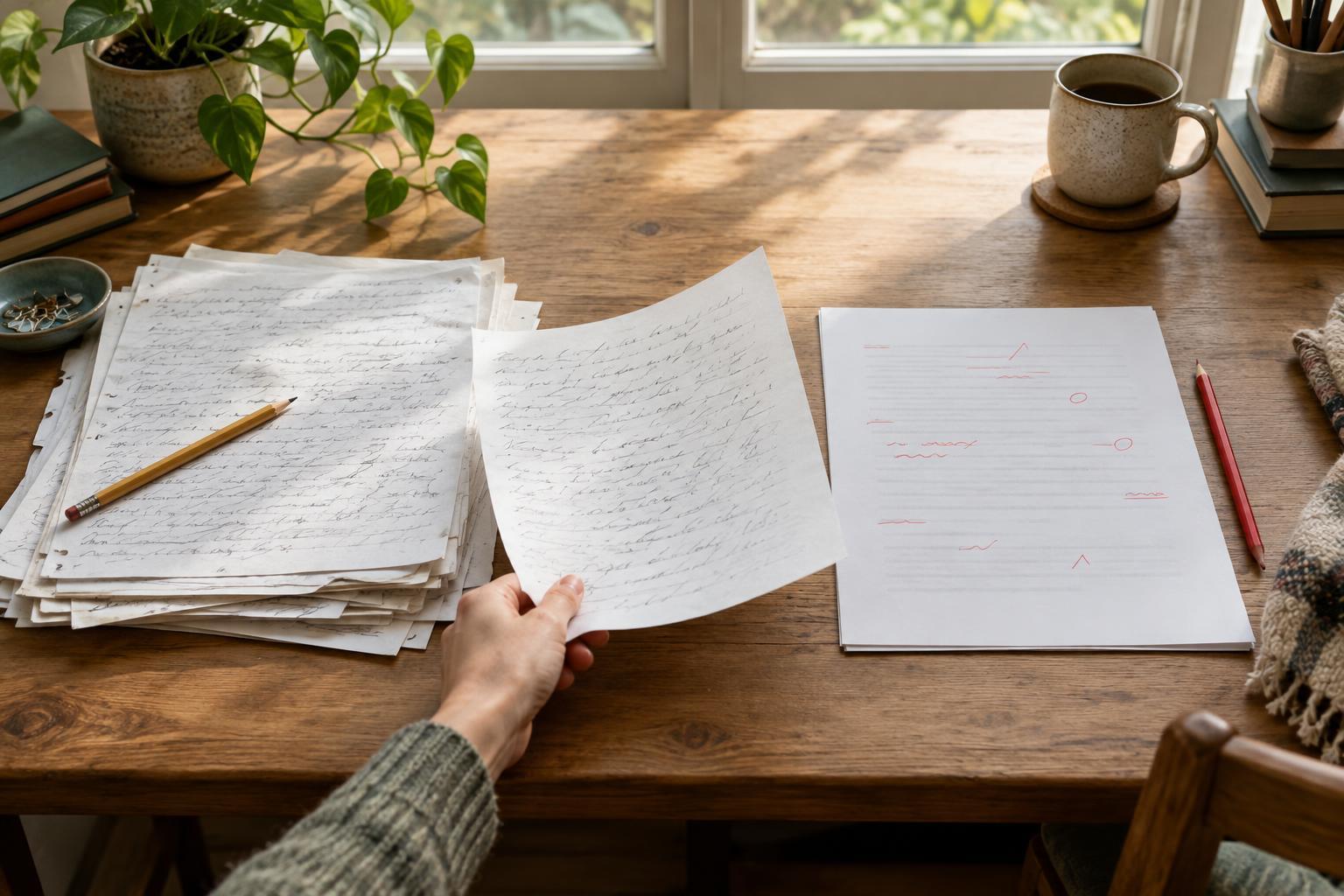
When the draft is complete enough to review, step away if your schedule allows. Even a short change of task can help you approach the text as something to assess rather than something you have just produced. On your first editing pass, look at the whole piece: its purpose, missing information, order and unnecessary sections. Make larger changes before spending time on sentence rhythm or punctuation. Polishing a paragraph you later remove is rarely a satisfying use of attention.
For a later pass, read with a specific reader in mind. Check whether terms are explained, examples earn their space and transitions show why one point follows another. Then make a final pass for wording and small errors. If you tend to reopen decisions indefinitely, define what “ready” means for this piece before editing: perhaps it answers the central question, has a clear beginning and ending, and has been checked for obvious mistakes. The standard can vary with the stakes and audience.
Build a routine you can repeat
You do not need a rigid schedule to benefit from distinct modes. You might draft in one session and edit in the next, or put a visible divider in the same session: finish the rough version, take a break, then review. Keep a short list of common editing checks nearby so you do not have to invent your process each time. If an edit reveals a missing idea, return briefly to drafting mode to write the new material before judging its wording.
Pay attention to where you repeatedly get stuck. If you stall at the first sentence, start with the easiest section and write the introduction later. If editing expands to fill every available hour, set a stopping point and choose the most important changes first. Separating drafting and editing is a tool, not a rule: use it when it protects exploration, and relax it when a quick correction genuinely helps the work move ahead.