Start with the kind of work, not a preferred format
A quiet room and a lively table can both support creative work, but they solve different problems. Before inviting anyone or blocking off time alone, name the next task. Are you trying to generate rough possibilities, develop one idea, spot weaknesses, or make a decision? The answer matters more than whether you usually think of yourself as a solo or collaborative person.
It also helps to distinguish making from responding. Writing a first draft, sketching variations, or testing a half-formed concept may require space to follow an uncertain thought. Comparing options or checking whether an idea makes sense to someone else may benefit from other perspectives. A project can move between these modes several times; choosing one format now does not commit you to it for the whole project.
Use solo sessions for depth and unfinished ideas
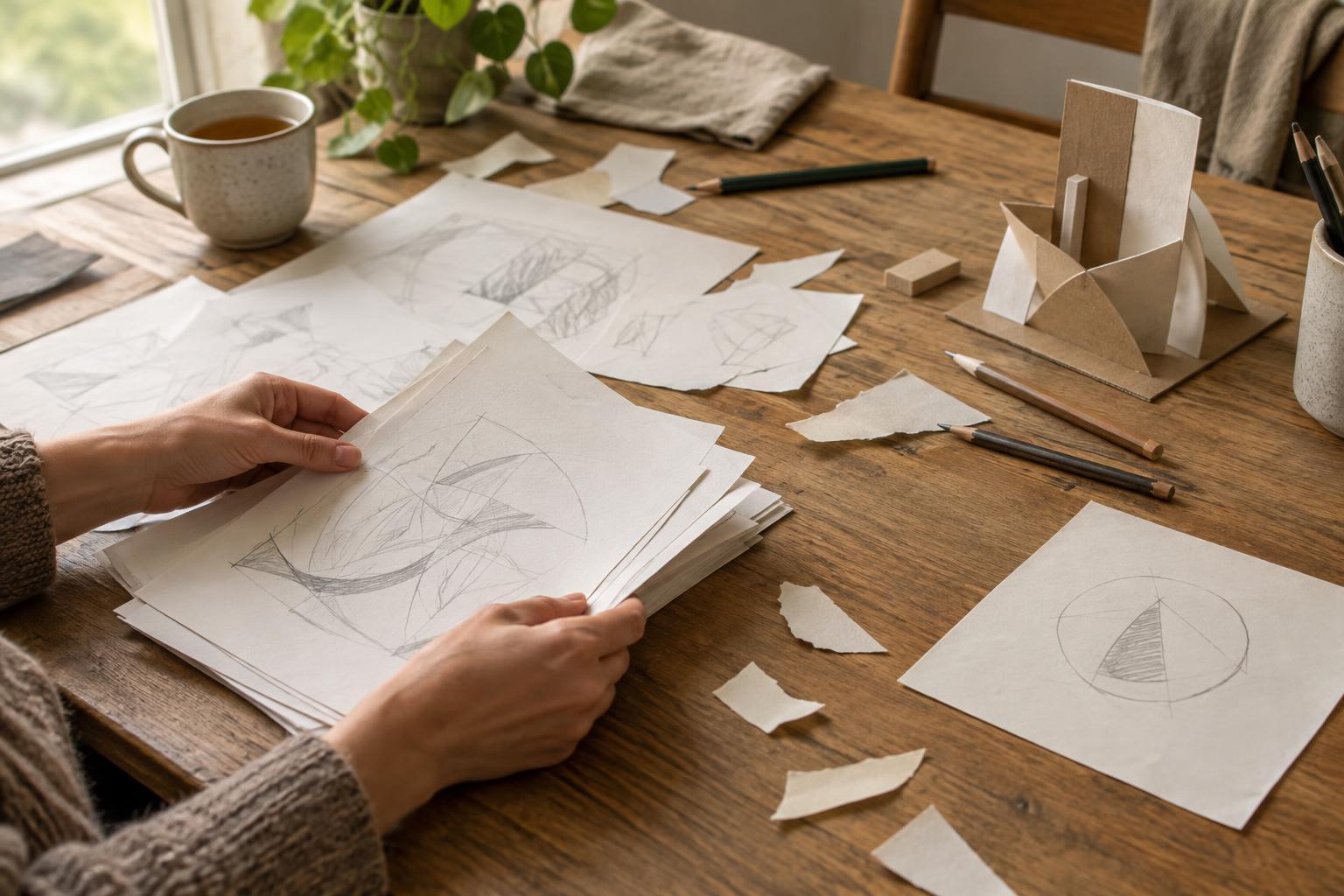
Solo sessions give you control over pace and attention. You can pause, change direction, repeat an experiment, or pursue an odd connection without explaining it as you go. That freedom is useful for early drafting, learning a tool, sorting through notes, and work that needs sustained concentration. It can also help you discover what you think before you have to discuss it.
Give the session a small aim rather than an expectation to produce something polished. You might explore three approaches to an opening, arrange reference material, or make a rough version of one section. Keep a place to record questions for later, so a missing answer does not stop the work. At the end, leave yourself a brief note about what you made and where to begin next time.
Working alone has limits. You can become attached to an approach or spend too long resolving a question someone else could clarify. If you keep circling the same issue, mark it for feedback rather than extending the session indefinitely. Solo time works best when it has a natural stopping point and a path to another perspective.
Use group sessions for perspective and shared direction
A group is valuable when people bring different knowledge, will use the result, or need to agree on what happens next. Others may notice assumptions you missed, suggest alternatives, or explain where an idea becomes confusing. A group session can also turn scattered individual observations into a shared understanding of the problem.
The clearest sessions ask for one kind of contribution at a time. If you want possibilities, say that ideas will be collected before they are evaluated. If you want feedback, show the work and ask specific questions, such as where the sequence loses clarity. If you need a decision, share the options and the criteria beforehand. Mixing open-ended brainstorming, detailed critique, and final approval in one conversation can leave everyone unsure how to help.
Group time has costs: scheduling, explaining context, and giving each person room to speak. It may also favor the ideas voiced first or most confidently. One simple countermeasure is to give everyone a few quiet minutes to write down thoughts before discussion begins. You can then collect the ideas, look for differences, and make the next step explicit.
Choose by asking what is stuck
When progress slows, diagnose the obstacle before changing formats. If you have too many opinions and no draft, try a solo session to make something concrete. If you have a draft but cannot judge whether it communicates, ask a small group for targeted reactions. If several people are independently solving the same question, bring them together to compare assumptions and assign a next step.
Keep the group no larger than the task needs. A short conversation with one useful reader may serve a draft better than a broad meeting. Conversely, a decision that affects several collaborators may need their input, even if one person could make the work faster alone. Consider whose perspective is missing and who needs to understand the outcome.
Build a rhythm that leaves room to recover
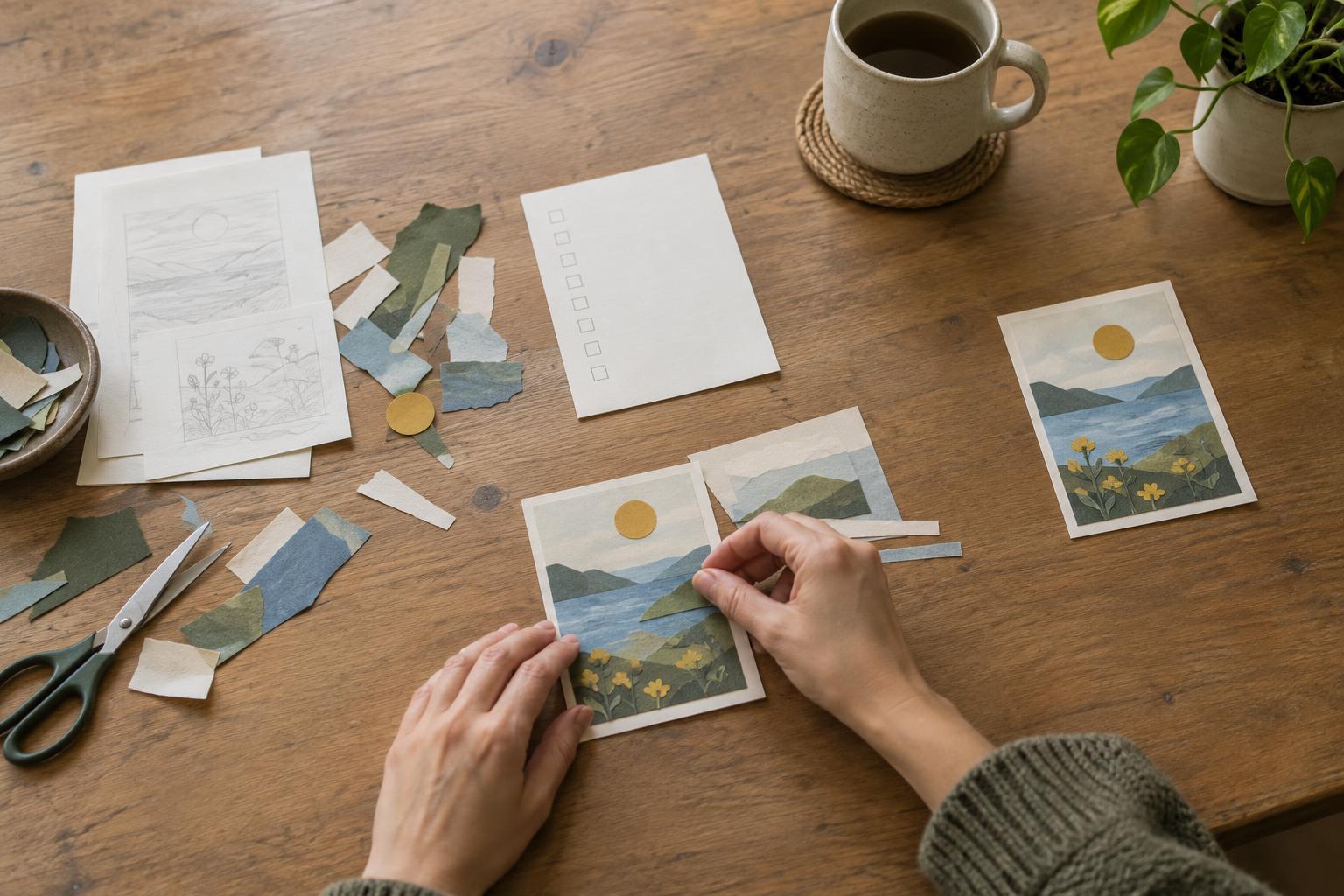
Solo and group work often fit together as a sequence: explore alone, bring a rough artifact to others, then return to solo time to revise. An artifact can be a sketch, outline, prototype, or list of unresolved questions. It gives the group something specific to respond to and makes it easier to act on their feedback afterward.
Avoid filling every available block with either making or meetings. Leave time to整理 notes, decide which suggestions to use, and rest before the next demanding session. A useful routine is not the one with the most sessions; it is one you can repeat while still having the attention to do the work. If a format repeatedly drains that attention, adjust its length, purpose, or frequency.