Give play a place alongside production
A routine can help you return to creative work, but it can also become a sequence of tasks to complete. If every session must produce something usable, unfamiliar ideas may be easy to dismiss. Play offers a different purpose: noticing what happens when you try something without knowing whether it will work.
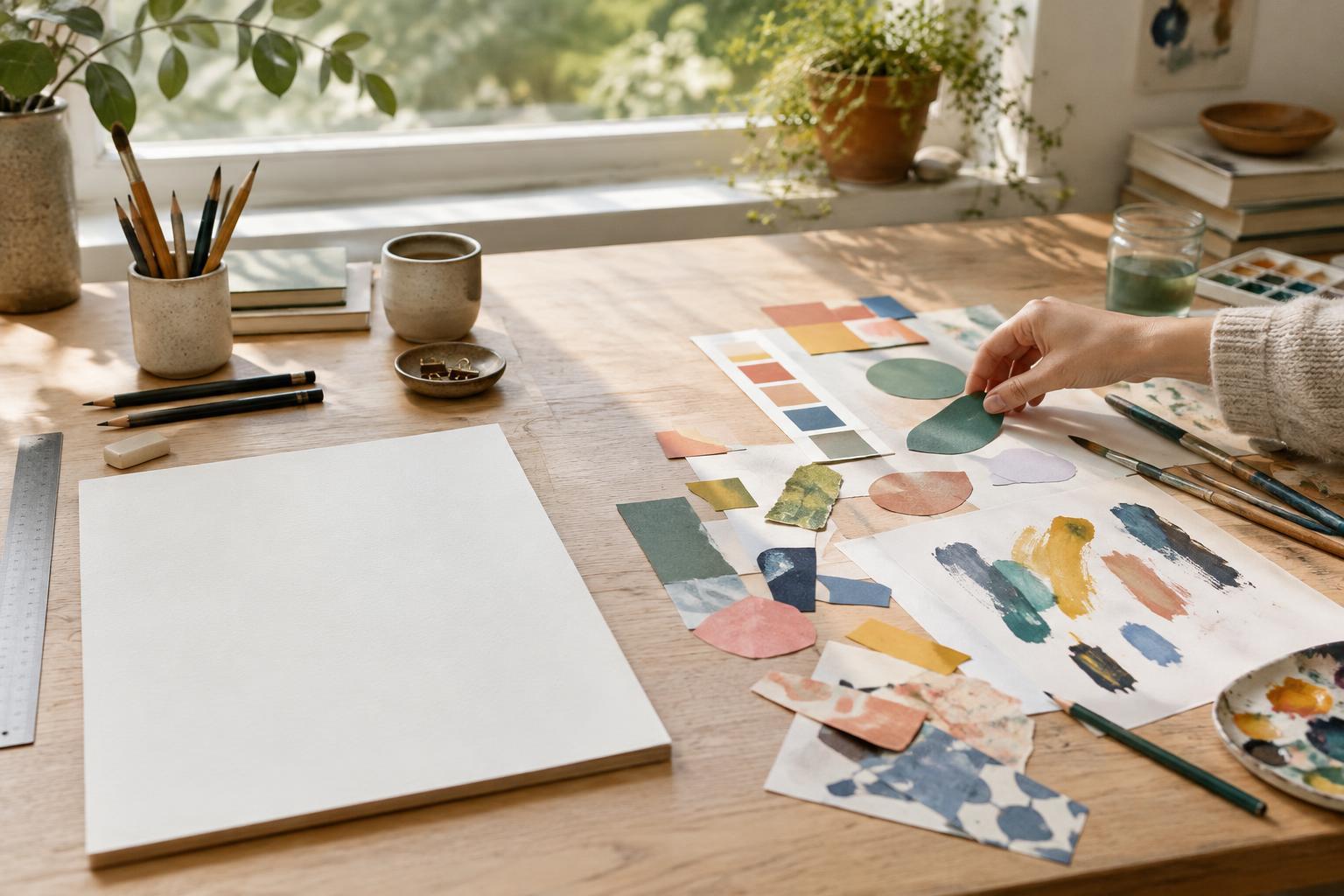
Start by distinguishing production time from exploration time. A production session might move a draft, design, or composition toward completion. An exploration session might test three openings, sketch an impractical layout, or combine materials you would not normally use. Both belong in a creative practice, but they need different expectations.
You do not need a large block of free time. Reserve a short, recurring window that fits the rest of your week, or use the first few minutes of an existing session. Put it on your calendar if that helps you protect it. The aim is not to fill every spare moment; it is to make experimentation available often enough that it does not depend on a rare burst of inspiration.
Set a small boundary, then loosen the outcome
An open-ended invitation to “be creative” can be surprisingly hard to begin. A simple constraint gives you somewhere to start. You could work with one tool, rewrite a familiar idea from another point of view, make five rough versions of the same shape, or limit a sketch to a few minutes. Choose a boundary that makes trying easier rather than one that turns the session into a test.
Decide in advance what counts as completing the session. A useful rule is to finish the attempt, not a polished result. When the allotted time ends, you can stop even if the work is odd, unfinished, or unusable. That distinction helps protect the session from the standards you apply to work intended for others.
If you keep choosing exercises that feel like chores, change the prompt. Follow a question that interests you, borrow a technique from another part of your practice, or deliberately make a version you would never publish. Play is more likely to remain part of your routine when you have some choice over its direction.
Keep experiments easy to start and easy to leave
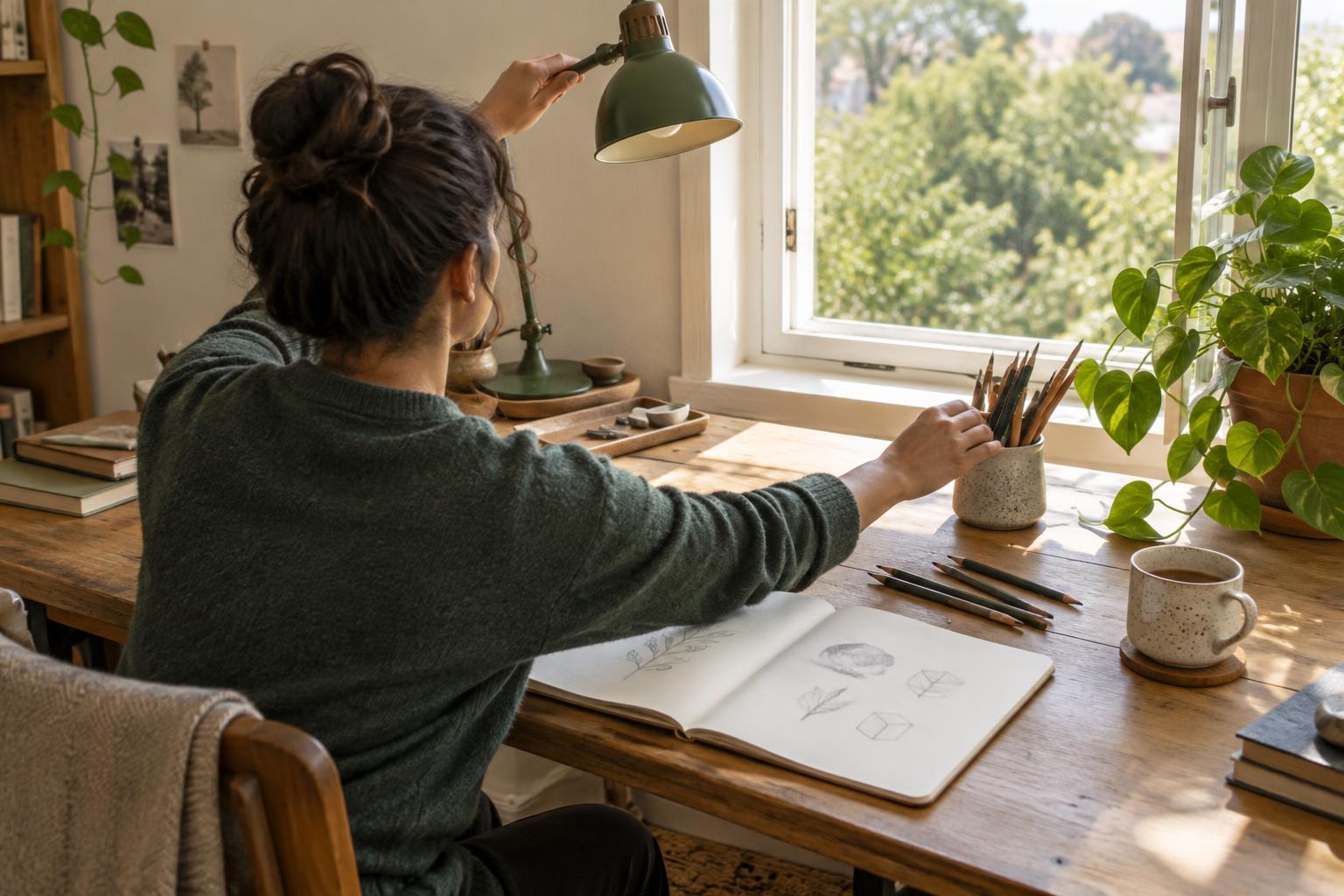
Reduce the setup required for a play session. Keep a page of prompts, a folder of spare materials, or a blank template ready. When you sit down, choose one prompt and begin instead of spending the whole window deciding what to try. Simple preparation is useful; an elaborate system can become another reason to postpone the work.
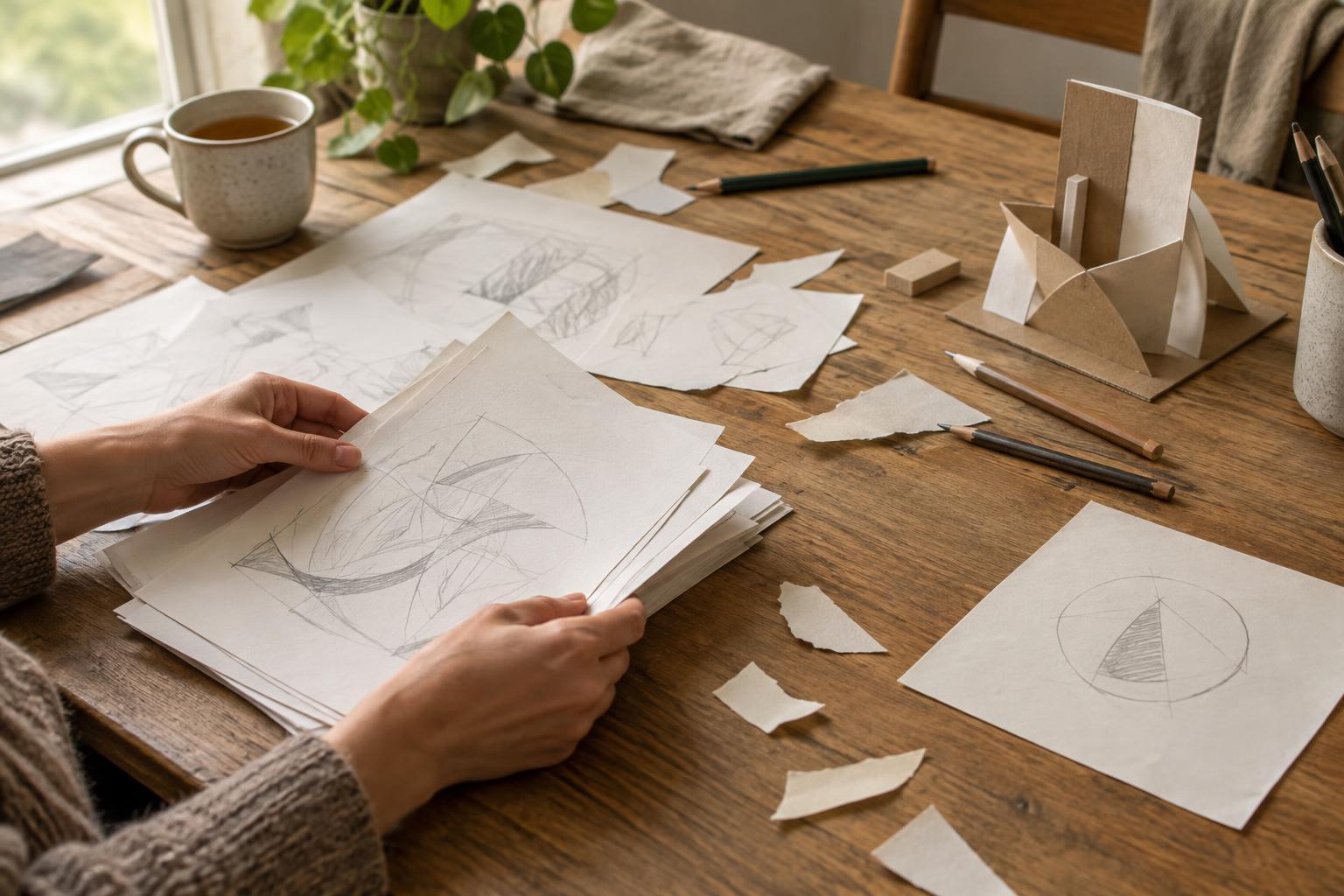
Give yourself permission to leave a visible trail of rough attempts. Save drafts under clear names, photograph physical sketches, or write a sentence about what you tried. Avoid organizing every fragment immediately. A small amount of capture makes it possible to revisit an idea without asking you to judge it while you are still exploring.
It can also help to set an ending ritual. Close the file, clear the workspace, and note one possible next step. This makes it easier to return to your other responsibilities without feeling that you must either perfect the experiment or abandon it entirely.
Review for possibilities, not scores
After several sessions, take a brief look through what you made. Ask which attempts surprised you, which questions keep returning, and which techniques you might want to try again. You are looking for directions worth exploring, not proof that every session was productive.
Some experiments will remain exercises. Others may offer a phrase, texture, structure, or approach that fits a current project. Move those promising pieces into a separate list or working draft, where you can evaluate them against the project’s needs. Keeping exploration and selection as distinct steps lets you be curious first and discerning later.
Try not to measure a play session only by how much of it you eventually use. An attempt can clarify a preference or show you why an approach does not suit a project. At the same time, you do not have to assign a lesson to every rough sketch. Sometimes the useful thing was simply having room to make it.
Protect the routine from becoming another obligation
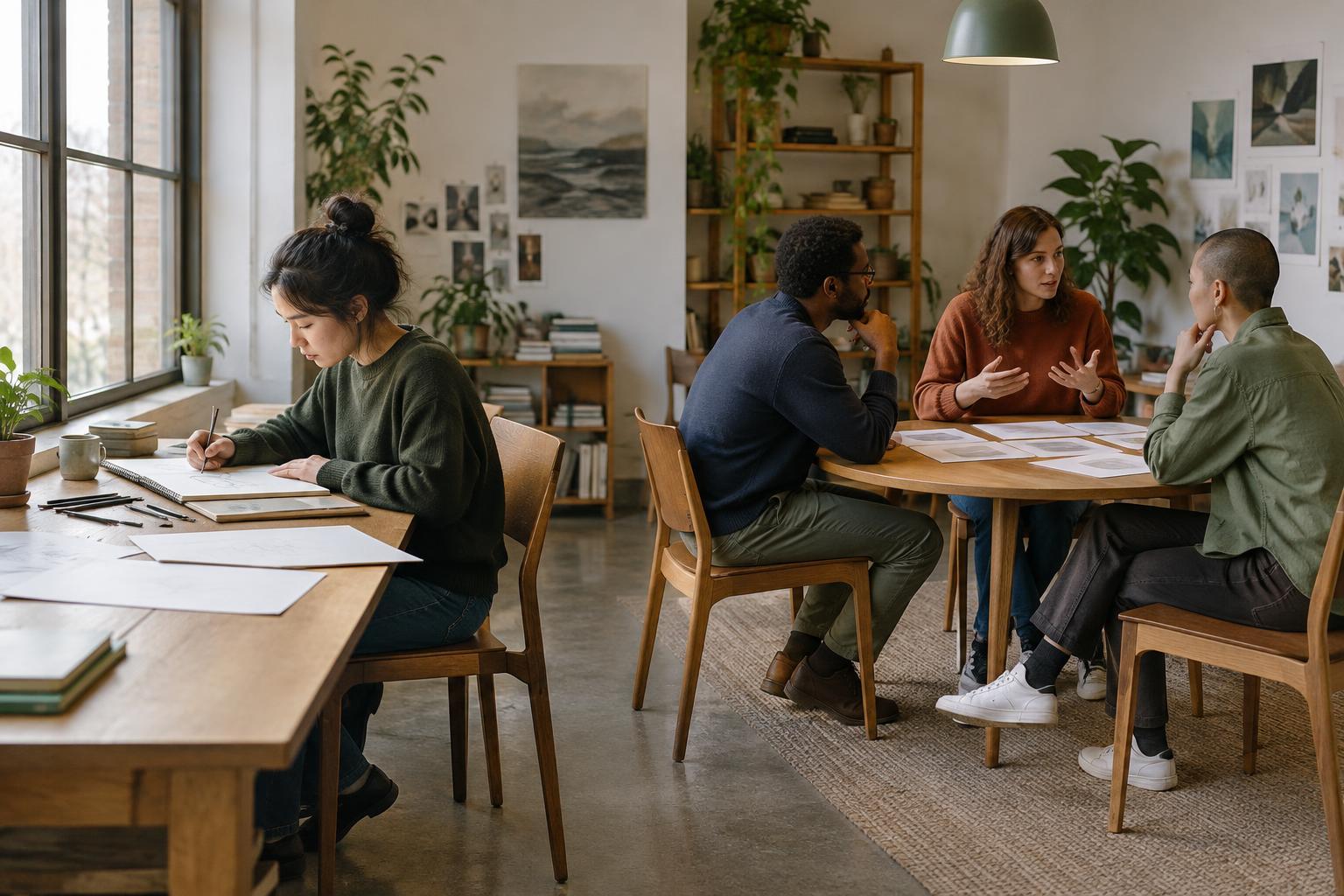
Creative play needs flexibility. During a crowded week, you might shorten a session, swap it for a walk with a question in mind, or skip it and return later. If you collaborate with others, you can invite low-stakes idea sharing while making clear when feedback is wanted. Not every experiment needs an audience.
Check occasionally whether your routine still gives you freedom to try things. If you notice yourself preparing for play sessions as though they were deadlines, reduce the stakes: use cheaper materials, choose smaller prompts, or keep the results private for a while. A sustainable routine leaves space for effort, uncertainty, and rest, rather than requiring each hour to justify itself.